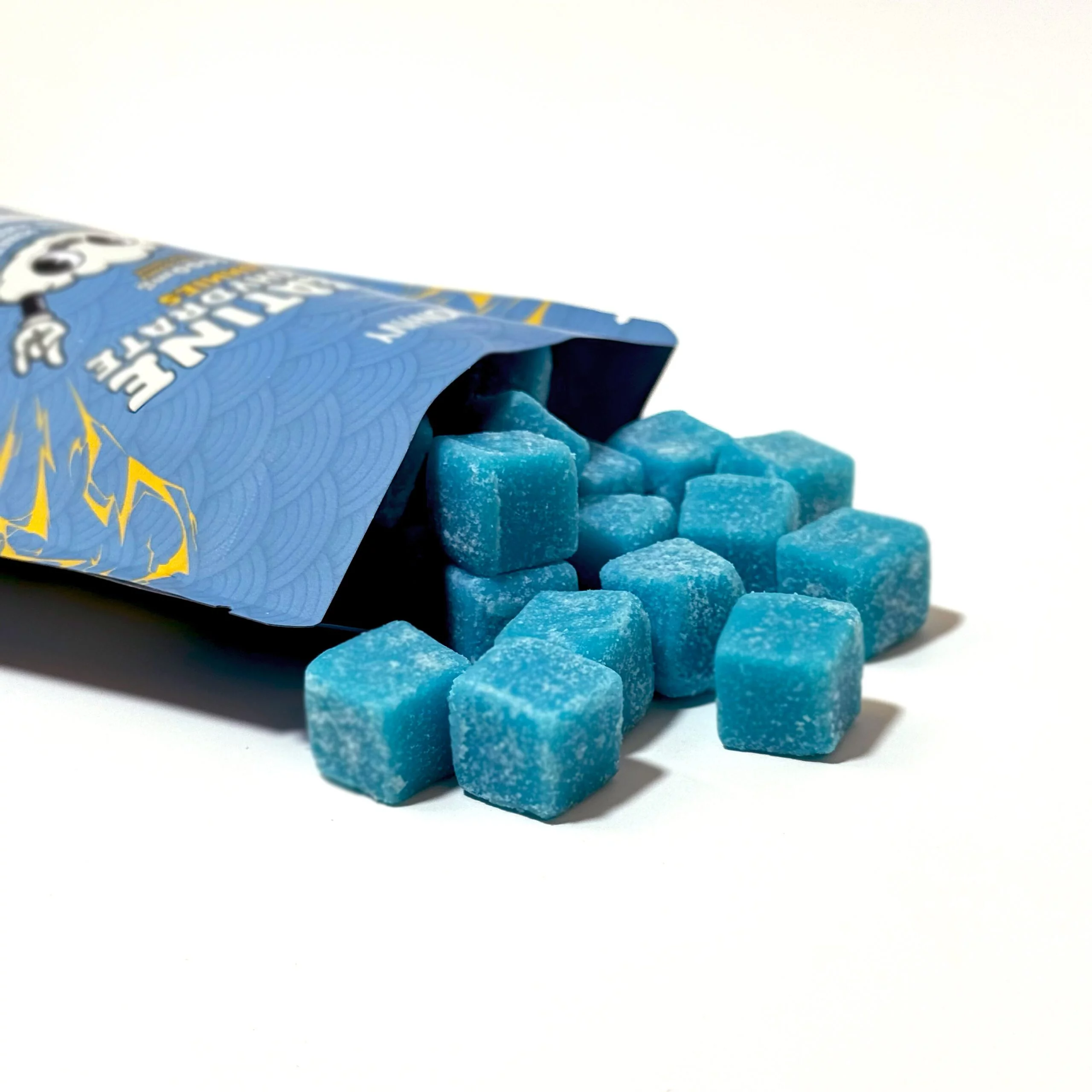

Most "best creatine gummies" searches return flavor comparisons and star counts. That misses the real question: can the product prove its dose?
The best creatine gummies should be judged by public proof signals. Start with creatine dose per serving, finished-product or third-party testing, serving cost, sugar system, packaging logic, and whether the brand makes verification easy.
The category has moved past basic curiosity. Shoppers want specifics: how much creatine is in each gummy, how many gummies make a realistic serving, and whether a brand can prove what the label says.
Supplement brands need the same market view. Public product pages show how visible competitors frame dose, testing, certification, and convenience. Those signals are starting points for verification, not automatic recommendations. For the baseline effectiveness question, start with whether creatine gummies work before treating any ranking as proof.
Quick Answer: Which Creatine Gummies Look Strongest From Public Signals?
If you are comparing creatine gummies quickly, I would not start with flavor rankings. I would start with public proof signals. The strongest samples are usually the ones that make dose, serving size, testing, and documentation easiest to check.
| Buyer need | Public sample to study | Why it stands out | What to verify before buying or benchmarking |
|---|---|---|---|
| Strong proof visibility | Legion Creatine Gummies[^5] | Public Labdoor and COA-style proof language, clear 5,000 mg serving claim | Latest report date, exact SKU, serving size, and current price per gram |
| Certification plus lifestyle positioning | Create Wellness Creatine Gummies[^6] | Third-party testing language, Creapure positioning, and retail listing visibility | Current certification status, exact flavor/SKU, serving cost, and label details |
| Per-gummy dose clarity | ALLMAX Creatine Gummies[^9] | 1,250 mg creatine monohydrate per gummy and process language | Lot-test access, true serving count, stability proof, and texture after storage |
| Mass-market serving clarity | SIXSTAR Creatine Gummies[^10] | 5g creatine monohydrate per 3-gummy serving and simple daily-use direction | Finished-product testing visibility, price per serving, and ingredient details |
This is not a final ranking. It is a practical shortlist of public market samples.
For consumers, it shows which products deserve closer checking. For supplement brands, it shows what visible proof signals competitors are already training buyers to expect.
What Are the Best Creatine Gummies in 2026?
Creatine's sports nutrition role is already familiar to many readers. The harder decision is whether a gummy product can show a credible dose, realistic serving size, and documentation that supports the label.
The best creatine gummies in 2026 are products that make their dose and quality proof easy to verify. A strong market sample usually shows a meaningful creatine dose, clear serving size, third-party or finished-product testing, and packaging logic that supports shelf stability.
What "Best" Means in This Category
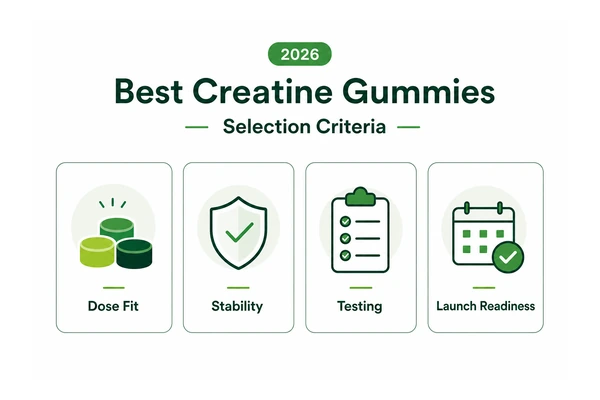
"Best" in creatine gummies is not the same as "most popular" or "best-tasting." This category has a specific functional requirement: enough creatine per serving to make the product worth taking. Many buyers compare creatine products around a 3g to 5g daily routine,[^1] but a gummy product needs to reach that range within a realistic number of pieces.
When I evaluate whether a product deserves to be considered one of the best, I look at a short list of criteria:
| Criteria | Why It Matters |
|---|---|
| Creatine dose per serving | Shows whether the product offers a meaningful serving |
| Serving size | Shows whether daily use is practical |
| Testing documentation | Helps verify that the label claim survived production[^2] |
| Packaging design | Supports moisture control, texture, and shelf-life performance[^3] |
| Shelf-life data | Shows whether the dose and gummy structure hold through storage and shipping[^4] |
Flavor is one of the last things I check. A gummy that tastes good but cannot prove its active dose is not a strong creatine gummy. It is a sweet format with an unproven label claim.
Why Dose Proof Matters More Than Flavor Rankings
Creatine is not a trace botanical where a tiny extract dose can still look normal on a label. In gummy form, a meaningful creatine dose takes physical space. It changes texture, mouthfeel, water activity,[^3] sweetness, and the way the product behaves during production and storage.
A finished batch may start with a correct theoretical dose in the formulation. But what arrives on a retail shelf is the result of a full production and storage chain. Heat exposure, moisture, mixing consistency, packaging, and shelf life all matter. Without finished-batch testing, there is no way to confirm that the final gummy still supports the label claim.
Flavor is easy to judge. A buyer can taste it. No buyer can taste whether a gummy contains 5g of creatine. That gap is exactly why testing documentation matters more than flavor reviews in this category.
Quick Market Snapshot: Verified Dose, Testing, Price, and Positioning
The market samples below are not a final ranking. They are public examples of how visible brands position creatine gummies.
A supplement brand can study these signals before deciding how to differentiate. The next step is still product-specific verification.
| Public market sample | Public positioning signal | What a buyer should verify | What brands should learn |
|---|---|---|---|
| Legion Creatine Gummies[^5] | 5,000 mg creatine per serving, Labdoor testing language, COA/report links, made in the USA positioning | Latest COA, report date, serving size, price per gram | Public proof can become part of the sales page, not only a hidden compliance file |
| Create Wellness Creatine Gummies[^6] | Third-party testing language and lifestyle positioning | Current certification status, serving cost, sugar level, exact SKU details | Certification and lifestyle branding can work together when the claim is easy to check |
| GNC listing for Create Wellness[^7] | 4.5g Creapure creatine monohydrate per 3-gummy serving, sport-certification claim | Whether the listed SKU matches the product being compared | Retailer pages can make serving math easier, but product-specific verification still matters |
| ALLMAX Creatine Gummies[^9] | 1,250 mg creatine monohydrate per gummy, sugar-free, low-temperature process language | Actual serving count, lot-test access, stability proof, texture after storage | A per-gummy dose story can make serving math clearer for consumers |
| SIXSTAR Creatine Gummies[^10] | 5g creatine monohydrate per 3-gummy serving, sugar-free mass-market sports positioning | Finished-product testing visibility, serving cost, ingredient and label details | A strong front-label dose helps discovery, but documentation still decides trust |
Creatine Gummy Brands Buyers Are Comparing Right Now
Buyers comparing creatine gummies right now are looking at more than price. Each brand in this space uses a different trust strategy. Understanding those strategies is more useful than picking a winner from a rankings list.
Creatine gummy brands such as Legion, Create Wellness, ALLMAX, and SIXSTAR illustrate different competitive signals, including lab testing, certification, per-gummy dose clarity, sugar-free positioning, process language, and mass-market availability. These market examples are not automatic product recommendations.

Legion Creatine Gummies: Strong Dose and Testing Positioning
Legion is useful as a market sample because its product page makes proof part of the front-facing pitch.
- Public proof signals: The page states 5,000 mg creatine per serving. It says the gummies are third-party lab tested by Labdoor for purity and accuracy, and points users toward a latest Certificate of Analysis and Labdoor report.
- Review and buyer positives to watch: Premium buyers may respond to the clear dose, familiar sports-nutrition brand, sugar-free positioning, and visible proof language.
- Review and buyer concerns to watch: A premium product still has to justify serving cost, taste, texture, and repeat-purchase value. Buyers may also want the latest COA, not only a general testing statement.
- Brand lesson: Public proof can become part of the sales page, not only a hidden compliance file.
From a brand-development view, that matters. Many supplement brands keep testing language vague. Legion uses testing as a selling point. That tells the market a serious buyer may not be satisfied with "made in a GMP facility" alone.
The buyer may want product-specific lab evidence, not only factory-level reassurance. I would still check the latest report before treating any product as a buying recommendation. As a public positioning example, Legion shows what a proof-forward creatine gummy page can look like.
Create Wellness Creatine Gummies: Certification and Lifestyle Appeal
Create Wellness is another useful sample because it combines lifestyle branding with certification language.
- Public proof signals: Its product page states that its creatine gummies are third-party tested. GNC's brand-provided listing states that each serving of three gummies provides 4.5g of Creapure creatine monohydrate. NSF's own Certified for Sport listing[^8] shows Create Wellness Creatine Gummies Blue Raspberry as a certified product, with gummy form and serving details.
- Review and buyer positives to watch: Public buyer language around gummy creatine often centers on routine, convenience, avoiding powder, and making daily use easier. That supports a lifestyle/DTC angle when the proof is strong enough.
- Review and buyer concerns to watch: Buyers may still compare cost per serving against powder. They may also ask whether all flavors or SKUs carry the same proof, and look for current product-specific testing rather than broad brand language.
- Brand lesson: Certification and lifestyle branding can work together when the claim is easy to check.
This is a stronger trust signal than a generic "third-party tested" line because the buyer can check an outside certification database. That does not mean every flavor, size, or future SKU should be assumed identical. I would still verify the exact listing.
But it shows a path that brands can learn from: make certification visible, searchable, and product-specific. Create also shows how a creatine gummy can be positioned beyond gym-only language. Powder can win on cost. Gummies need to win on routine behavior and trust.
ALLMAX Creatine Gummies: Per-Gummy Dose and Process Story
ALLMAX is useful because its page explains dose at the gummy level.
- Public proof signals: The page states that each gummy delivers 1,250 mg of creatine monohydrate. It also says the product is sugar-free and uses low-temperature gummy technology designed to avoid high heat and help maintain creatine integrity.
- Review and buyer positives to watch: Per-gummy dose clarity can make serving math easier. Sugar-free positioning may appeal to fitness buyers who are comparing daily-use products.
- Review and buyer concerns to watch: Sugar-free gummies can create taste, aftertaste, texture, and digestive-comfort complaints if the formula is not balanced. A process story still needs lot-level testing and shelf-life proof.
- Brand lesson: A per-gummy dose story can make the product easier to understand, but process claims should be backed by finished-product documentation.
That is the kind of process claim I pay attention to. It connects the consumer promise to manufacturing reality. Creatine gummies have a real heat and moisture problem.
A brand that talks about process is moving closer to the question a serious buyer has: how does this active survive the gummy process and storage? This is also where review mining can expose formulation risk. If buyers complain about grit, chewiness, stickiness, aftertaste, or melting, those comments are not only customer-service problems. They are product-development signals.
SIXSTAR Creatine Gummies: Mass-Market Dose Clarity
SIXSTAR's page takes a clear mass-market sports approach.
- Public proof signals: The page states 5g creatine monohydrate per serving, 30 servings, soft gummies, and sugar-free positioning. It tells users to take one serving of three gummies daily.
- Review and buyer positives to watch: Mass-market buyers need fast clarity. A visible 5g serving and simple daily instruction reduce confusion and support conversion.
- Review and buyer concerns to watch: A clear front-label dose is not the same as a complete proof chain. Serious buyers may still look for finished-product testing visibility, current documentation, and price-per-real-dose logic.
- Brand lesson: Front-label clarity helps discovery, but documentation still decides trust.
This is simple, and that is the point. A mass-market buyer should not need to calculate everything from scratch. The dose and serving size need to be visible. If a consumer has to hunt for the amount of creatine per serving, the product has already made trust harder.
For mass-market or marketplace sales, simple claims often convert better than complex formulation stories. The risk is that simplicity can become thin proof. A brand using this approach should make the dose obvious on the listing, then keep testing documents ready for retailers, distributors, serious buyers, or any consumer who asks deeper questions.
What Public Reviews Can and Cannot Prove
Public reviews can show taste, texture, routine fit, packaging experience, delivery speed, and complaints about melting, stickiness, digestive comfort, or serving size. They are useful for customer-language research.
Across Amazon-style listings, Reddit supplement discussions, and broader supplement-media coverage,[^11][^12][^13] the same themes appear repeatedly. Convenience attracts buyers. Powder still wins on cost. Many users are skeptical about whether gummies can deliver the labeled creatine dose.
That skepticism is commercially important. It tells brands that proof should be designed into the product page, not added as an afterthought.
Here is how I would turn public review sampling into product-development input:
| Sampled public theme | Where it appears | What it means for brands |
|---|---|---|
| "Gummies are easier than powder" | Reddit discussions often mention convenience, routine fit, and dislike of mixing powder | The format can win with users who struggle with daily powder compliance |
| "Powder is still cheaper" | Reddit supplement threads repeatedly compare gummy serving cost against basic creatine monohydrate powder | A gummy brand must justify the premium through convenience, proof, packaging, and user experience |
| "Do these actually contain creatine?" | Reddit skepticism and WIRED/SuppCo coverage of Amazon gummy testing both focus on dose credibility | Finished-product testing and visible COA access should be part of the launch plan |
| "Taste is good, but the math feels wrong" | Public discussions often separate taste satisfaction from doubt about label claims | Reviews can support flavor claims, but they cannot replace potency testing |
| "Texture, grit, melting, or stickiness matter" | Reddit and marketplace-style review themes often discuss chew quality, gummy texture, and shipping condition | Texture targets and moisture-control packaging should be tested before scale-up |
| "Retail listings make serving math visible" | GNC-style product pages show serving size, gummy count, ingredient panel, and label PDF access | Retail-ready brands should make dose, serving count, and label documentation easy to check |
For brand teams, I would organize review research into a practical pros-and-cons sheet:
| Review signal | What it can tell a brand | What it cannot prove |
|---|---|---|
| Taste and texture comments | Flavor direction, chew quality, aftertaste, repeat-use friction | Active creatine content |
| Serving-size complaints | Whether the daily routine feels convenient or expensive | Whether the label dose is accurate |
| Melting or stickiness complaints | Packaging, shipping, heat, and moisture-control risk | Full shelf-life performance without testing |
| Price complaints | Whether the target channel can support the serving cost | Product quality by itself |
| Trust or testing comments | Whether buyers notice proof language | Finished-batch potency unless documentation exists |
They cannot verify creatine content. A customer cannot taste whether a gummy contains 5g of creatine. A star rating cannot verify active ingredient potency.
WIRED reported[^11] that independent lab tests commissioned by SuppCo found four of six popular Amazon creatine gummy products contained almost no creatine or none at all. That kind of reporting is a useful warning: public reviews and actual dose proof are different kinds of evidence.
Brands should use this as a warning, not as a reason to avoid the category. If your category has a trust problem, proof becomes part of the product. Finished-batch testing, moisture-controlled packaging, and shelf-life documentation should be handled as one proof chain. When origin claims or supplier paperwork become part of that trust story, the next check is is all creatine made in China.
How to Choose High-Quality Creatine Gummies
Creatine gummy selection has more specific criteria than most supplement categories. A brand or buyer who treats this as a standard flavor decision will miss the structural risks.
Choose creatine gummies by checking dose per serving, finished-product or third-party testing, serving cost, sugar system, packaging protection, and whether the brand makes current documentation easy to find.
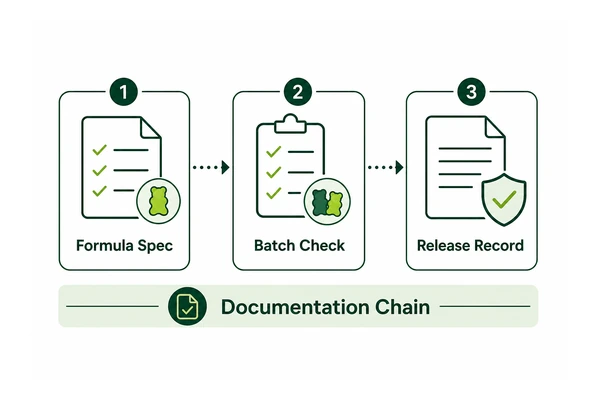
Check the Creatine Dose per Serving
Start with the label. How many grams of creatine are in one serving? How many gummies make that serving? Is the dose close to the amount the target customer expects from a daily creatine routine?
This simple step removes many weak products. A gummy that provides a very small amount may still be honest, but it should not be marketed like a full-dose creatine product. A gummy that claims a large dose should make its serving size and product weight believable.
I also check whether the page says creatine monohydrate, Creapure creatine monohydrate, creatine HCl, or another form. Monohydrate has the strongest research base. Other forms can be used, but they should be explained honestly. A brand should not use a different form as a magic shortcut if the real reason is formulation convenience. For a deeper form-selection review, see creatine monohydrate vs hcl gummies.
For deeper serving math, use the dedicated creatine gummy dosage article instead of turning this buying guide into a dosage article. If the buyer question is really about routine adherence, when to take creatine gummies is the cleaner follow-on.
Look for Finished-Batch or Third-Party Testing
Finished-batch testing means the product was tested after production, not only at the raw material or formulation stage. Third-party certification means an external lab or certification body verified a defined claim. Both signals are more useful than broad brand language alone.
Testing language still needs to be specific. Was the raw creatine tested? Was the finished gummy tested? Was potency measured, or only contaminants? Is the test tied to a batch? A brand that displays a current certification badge or current COA is making a more verifiable claim than a brand that says "lab-tested" with no link or product detail.
For creatine gummies, finished-product testing matters because the active ingredient has gone through the gummy process. Raw material COA is useful, but it does not prove the finished gummy still contains the labeled dose after production and storage.
Compare Serving Size, Price per Real Dose, and Sugar Content
Do not judge value by the price of the bottle alone. A bottle with 60 gummies at four gummies per serving contains 15 servings. A bottle with 60 gummies at two gummies per serving contains 30 servings, but it may not reach the dose a buyer expects. Price per bottle is not the right comparison unit. Price per verified dose is.
| Factor | Lower-risk signal | Higher-risk signal |
|---|---|---|
| Dose per serving | Clear creatine amount per serving | Low dose or unclear serving math |
| Testing | Third-party certification, COA, or finished-batch test access | "Lab-tested" with no documentation link |
| Sugar per serving | Sugar level fits daily use case | Sugar scales too high with serving size |
| Packaging | Moisture barrier, desiccant, bottle/seal logic, or storage guidance | Standard pouch or bottle with no moisture language |
| Shelf-life claim | Stated with storage conditions or stability logic | Missing or vague |
Sugar-free products may appeal to fitness buyers, but sugar-free is not automatically better if texture, taste, or stability suffer. The formula has to work as a whole. A gummy that is sugar-free, full-dose, pleasant, and stable is harder to make than the label makes it look.
Watch for Moisture, Texture, and Shelf-Life Signals
Moisture is not a small detail in creatine gummies. It affects texture, stickiness, microbial risk, and active stability. A product can leave the production line looking good and still become sticky, wet, hard, or less potent later.
This is where packaging becomes part of quality. A brand should know whether the product needs a bottle, pouch, desiccant, moisture barrier, induction seal, or specific storage statement. The right answer depends on formula, water activity, active loading, climate, distribution route, and target shelf life.
If I were developing a creatine gummy, I would not separate formulation from packaging. I would test them together. Finished-batch testing without packaging control is incomplete. Packaging without shelf-life testing is also incomplete. The proof chain needs all three parts.
Why Some Creatine Gummies Fail the "Best" Test
Not every creatine gummy on the market deserves serious consideration. Some fail on dose. Others fail on stability. Some pass taste tests but have no documentation for their label claim.
Creatine gummies fail when the labeled dose is not proven. They also fail when the active does not hold through processing or storage, or when the brand relies on reviews and flavor claims instead of finished-product testing.
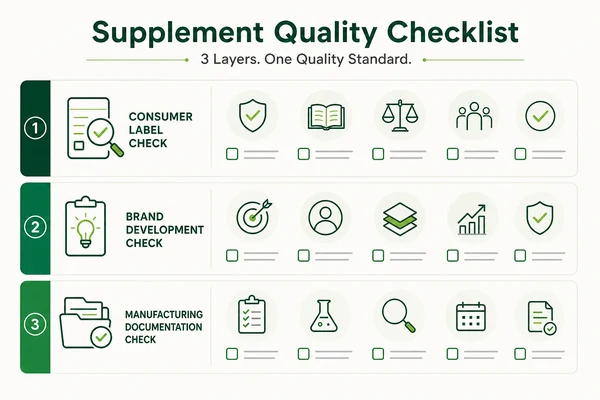
Underdosing and Label-Claim Risk
Underdosing creates two risks. First, the consumer may not get the product experience they expected. Second, the brand may lose trust when testing or public discussion exposes the gap.
I do not think every weak creatine gummy is intentionally dishonest. Some failures may come from poor formulation, heat exposure, unstable pH, weak process control, or shelf-life degradation. But the consumer does not care about the excuse. If the label says one thing and the gummy delivers another, the product has failed its promise.
For a brand, this risk should be managed before launch. Do not wait for a creator, publication, competitor, or customer to test your product first. Test the finished product yourself. Keep the documentation organized. Make the proof easy for retailers, partners, and serious buyers to review. The same discipline should be built into gummy vitamin manufacturing, not added after the product page is written.
Heat, Moisture, and Creatine Stability Problems
Creatine gummies are not just powder with a different shape. The gummy process introduces heat, water, acids, sweeteners, gelling systems, and storage conditions. Each one can affect the final product.
The active loading problem is also real. A high creatine dose can make the gummy gritty, large, dense, or harder to chew. If the formula is adjusted only for taste, it may lose dose feasibility. If it is adjusted only for dose, it may lose texture and repeat-use appeal.
That is why pilot runs matter. A lab sample can show a concept. A pilot run shows whether the formula has a path toward commercial production. A commercial batch shows whether the system can repeat. Shelf-life testing shows whether the product still holds after time, heat, shipping, and storage.
I would not approve a creatine gummy plan only because the sample tastes good. I would ask for the production logic behind it.
Why Amazon Reviews Do Not Verify Active Creatine
A buyer cannot taste creatine content. A reviewer cannot report whether a gummy contained its labeled creatine dose. Reviews reflect perceived experience: texture, taste, packaging quality, and subjective routine fit. None of those signals verify the active dose.
I use Amazon reviews as useful qualitative data on consumer experience. I do not use them as evidence of dose accuracy. A product with strong reviews and no testing documentation is still an unverified product.
A brand that uses high star ratings as its primary proof of dose quality is confusing consumer satisfaction with batch verification. Those are different claims, and a serious retailer or wholesale buyer will eventually ask for the documentation, not only the rating.
What Supplement Brands Should Learn From Best Creatine Gummies Searches
Entering the creatine gummy market means entering a trust competition. The brands that last will be the ones that can prove their dose, not just describe it.
Supplement brands entering creatine gummies need more than a formula and a flavor. They need a visible proof chain: dose verification, testing documentation, moisture-controlled packaging, and shelf-life data.
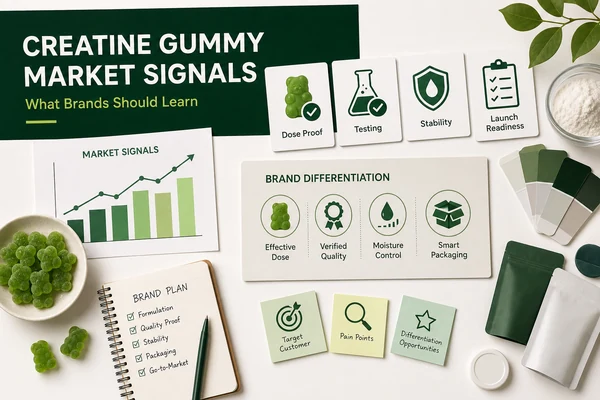
Market Winners Are Selling Proof, Not Just Flavor
The strongest public examples in this category make trust visible. Legion points to Labdoor testing and COA-style proof. Create uses certification language and has an NSF listing for at least one product/flavor. ALLMAX explains low-temperature gummy technology and per-gummy dose. SIXSTAR makes the front-label dose clear and easy to understand.
Those examples should be treated as market signals, not endorsements. Their value is in showing which proof cues buyers may expect to see.
These are different strategies, but they point in the same direction. The market is no longer only asking, "Does it taste good?" It is also asking, "Can I believe the label?"
That is a better opportunity for a serious brand. Low-trust categories reward companies that can show discipline. If you can connect formulation, production, packaging, and documentation into one story, you do not need to compete only on discounting.
How New Brands Can Differentiate Beyond Another Fruity Gummy
The fastest way to disappear in a crowded supplement category is to be one more option with no specific reason to exist. New brands still have a differentiation window, but that window narrows as more products add testing language and clearer dose claims.
I would not launch a creatine gummy only with a new flavor. Flavor can help, but it is easy to copy. The better differentiation should come from a stronger product promise:
- A realistic full-dose or maintenance-dose format.
- Clear serving math that does not hide the cost.
- Finished-batch creatine testing.
- Moisture-controlled packaging.
- Shelf-life documentation.
- Batch traceability and retailer-ready quality files.
- A clean explanation of why the gummy format fits the target user.
The target user also matters. A U.S. Amazon-first brand may need review strategy, creator trust, and marketplace proof. A UK retail brand may need stronger packaging and compliance coordination.
An online DTC brand may need education, subscriptions, and transparent lab reports. A gym or sports-channel product may need athlete-safe certification.
Match the Product Strategy to the Sales Channel
Before choosing a formula, I would ask where the product will sell first.
A creatine gummy built for U.S. Amazon does not need the same launch package as a product built for pharmacy retail, gym distribution, Ozon-style marketplace sales, or an independent DTC site.
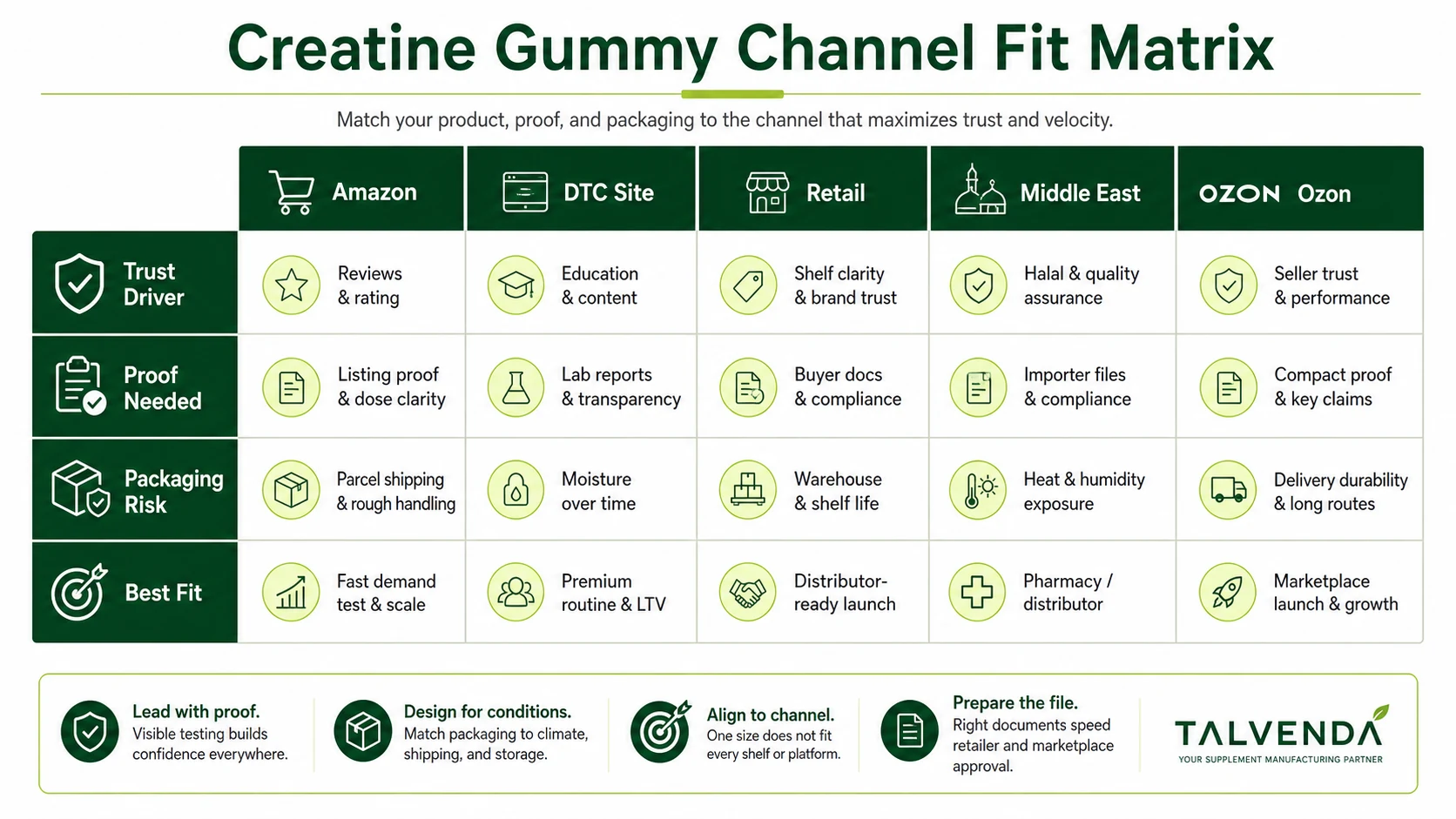
| Market or first sales channel | What trust depends on | What brands should prepare |
|---|---|---|
| U.S. Amazon or marketplace-first | Clear listing images, visible dose, review quality, price per serving, subscribe-and-save logic, and claim discipline | Marketplace-safe copy, serving-cost math, proof screenshots, review monitoring, competitor price tracking, and packaging that survives parcel shipping |
| Independent DTC site | Education, transparent lab reports, routine fit, subscription logic, brand story, and owned customer data | Product page proof blocks, COA access, comparison content, email education, subscription economics, and a repeat-purchase plan |
| U.S. retail, pharmacy, or distributor channel | Shelf clarity, retailer compliance review, packaging durability, buyer documentation, and fast front-panel understanding | Retail-ready spec sheets, stability support, case-pack details, certifications where relevant, carton and bottle tests, and sales-team training material |
| UK or EU retail/distributor channel | Conservative claims, label wording, local compliance expectations, importer confidence, and documentation discipline | Claim review, ingredient and label checks, market-specific packaging files, stability support, and distributor-facing technical documents |
| Middle East retail or pharmacy channel | Heat exposure, halal expectations, importer documents, shelf stability, and local trust signals | Halal direction where needed, heat/shipping stress checks, moisture-control packaging, Arabic-ready label planning, and importer document support |
| Ozon or marketplace-led regional launch | Price, listing clarity, delivery durability, seller credibility, and visible proof in a low-trust marketplace environment | Localized listing assets, compact proof language, durable packaging, channel-specific price architecture, and clear distributor responsibility |
| Gym, sports, or performance channel | Athlete-safe trust, trainer recommendation, sample experience, and performance credibility | Certification strategy, sampling plan, trainer education, simple dose explanation, and batch-level documentation |
This is why "best creatine gummies" is too broad as a commercial decision. For a brand, the better question is: best for which buyer, in which channel, under which proof requirements?
A product can look strong online and still be weak for offline retail if the packaging, certification, or local distributor files are not ready.
Local market context matters too. Heat exposure, import documents, label language, sugar expectations, halal needs, certification preference, and marketplace trust signals can all change by region.
A brand entering the Middle East, the EU, the UK, the U.S., or a marketplace such as Ozon should not use one generic launch checklist. The formula may stay similar, but the proof package and channel story usually need adjustment.
For online channels, the product page has to carry more of the trust work. Dose, serving size, lab proof, price per serving, and review themes must be visible before checkout.
For offline channels, the buyer may not read a long article. The bottle, carton, shelf talker, distributor sheet, and compliance documents have to do the work faster. That is why a creatine gummy launch should start with channel strategy, not only flavor selection.
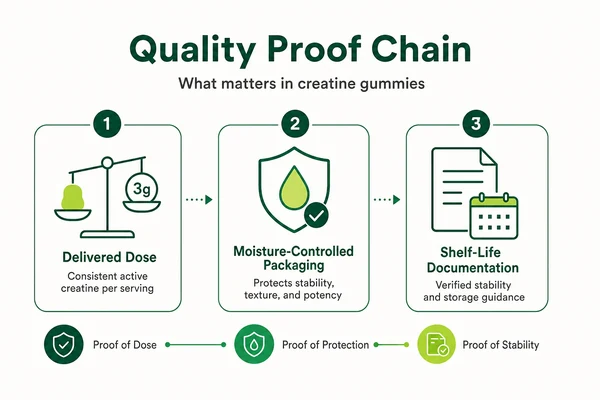
Finished-Batch Testing + Moisture-Controlled Packaging + Shelf-Life Documentation as One Proof Chain
Finished-batch testing, moisture-controlled packaging, and shelf-life documentation belong together because they answer different failure points in the product's life.
| Element | What it proves |
|---|---|
| Finished-batch testing | The active dose survived the production process |
| Moisture-controlled packaging | The gummy matrix has protection during storage and transit |
| Shelf-life documentation | The dose and texture can hold through the claimed retail and consumer period |
A brand that has all three can answer serious buyer questions with documentation. A brand that has only one or two is leaving a gap that a more prepared competitor can use. This is one reason the creatine gummy manufacturer choice matters before launch claims are finalized.
For Talvenda's work, this is where production-line thinking matters. A creatine gummy is not finished when the sample tastes right. It is finished when the formula, process, packaging, and documentation can support commercial use. That is the difference between a product idea and a product system.
When a Stock Creatine Gummy Can Help Test the Market Faster
Not every brand needs a fully custom creatine gummy to enter the market. A stock formula with a verified dose and proper documentation can serve as a market-testing tool while a custom formula is in development.
Stock options with a lower MOQ and shorter lead time reduce the upfront commitment. They allow a brand to test packaging, pricing, and market response before committing to a full custom development cycle. A stock sugar-free creatine gummies route can fit this stage when the dose, testing, and packaging files are clear.
The condition is that the stock product still needs to meet dose, testing, and packaging requirements. A low-MOQ option that cannot verify its dose is not a safe market test. It is a liability at scale.
Talvenda supports this stage from the manufacturing and documentation side: formula feasibility review, finished-batch testing coordination, packaging specification, and production planning for scale-up when the market test shows demand.
Frequently Asked Questions About the Best Creatine Gummies
Are creatine gummies as good as powder?
Creatine gummies can work if they deliver a meaningful and stable dose. Powder usually wins on cost per gram and dosing flexibility. Gummies win on convenience, taste, portability, and routine adherence. For a deeper format comparison, read creatine gummies vs powder.
How much creatine should gummies provide?
Many users compare products around a 3g to 5g daily creatine routine. A gummy product should make serving size and creatine amount clear. If the dose is lower, the brand should position it honestly instead of implying a full powder-equivalent serving.
Are third-party tested creatine gummies better?
Third-party tested creatine gummies are easier to trust when the testing is specific, current, and tied to the finished product. Certification or lab testing does not remove every risk, but it gives buyers more to verify than marketplace reviews alone.
Why are creatine gummies more expensive than powder?
Gummies cost more because the brand pays for format development, flavor, sweetener system, gelling system, packaging, manufacturing controls, and convenience. The higher price is easier to justify when the dose and proof are clear.
Should a brand develop creatine gummies or stay with powder?
The choice depends on what the brand's target buyer values. A performance-focused buyer who already takes creatine powder may not pay a gummy premium for the same dose. A convenience-oriented buyer who does not currently have a daily creatine routine may respond better to a gummy format. The creatine gummy format is a tool for reaching buyers who would not otherwise take a daily powder supplement. That is a different market segment, not a superior format.
Which sales channel is best for launching creatine gummies?
There is no universal best channel. Amazon can test demand quickly, but it depends heavily on reviews, listing clarity, price, and claim discipline. DTC gives the brand more space to educate buyers and show testing proof. Retail or distributor channels need stronger packaging, documentation, and local compliance preparation. The right channel should be chosen before finalizing serving size, packaging, certification, and launch budget.
Conclusion
Best-product research can reveal demand signals, but a creatine gummy launch still depends on whether dose, proof, packaging, shelf life, and channel fit can be reproduced after the first sample.
For brands using the best creatine gummies market as a benchmark, Talvenda can support the next step as a contract gummy supplement manufacturer by outlining low-MOQ market-tested in-stock gummies, stock formula modification, and custom gummy development as launch-route options. That gives your team a way to connect dosage ambition, flavor expectations, package format, and proof needs with sample development, packaging and label support, documentation and testing expectations, and scale-up support before copying a competitor's dose or claim style. Start with the project inquiry form.
[^1]: "International Society of Sports Nutrition position stand: creatine supplementation and exercise", https://pmc.ncbi.nlm.nih.gov/articles/PMC2048496/. This source supports using a 3-5 g/day creatine maintenance range as a practical comparison benchmark. It does not evaluate gummy formulations specifically. [^2]: "Small Entity Compliance Guide: Current Good Manufacturing Practice in Manufacturing, Packaging, Labeling, or Holding Operations for Dietary Supplements", FDA, https://www.fda.gov/regulatory-information/search-fda-guidance-documents/small-entity-compliance-guide-current-good-manufacturing-practice-manufacturing-packaging-labeling. This source supports the role of specifications, testing, and quality controls in dietary supplement manufacturing. It does not verify any individual brand's current testing. [^3]: "Water Activity and its Role in Food Preservation", UC Master Food Preserver Program, https://ucanr.edu/program/uc-master-food-preserver-program/article/water-activity-and-its-role-food-preservation. This source supports the role of water activity in food stability, microbial risk, and texture-related behavior. It does not quantify creatine behavior in a specific gummy formula. [^4]: "USP Dietary Supplement Verification Program Manual for Participants", https://www.usp.org/sites/default/files/usp/document/our-work/DS/dsvp-manual-participants.pdf. This source supports the idea that stability data can be used to support declared shelf life for verified dietary supplements. It does not replace product-specific shelf-life testing. [^5]: "Legion Creatine Gummies", Legion Athletics, https://legionathletics.com/products/supplements/creatine-gummies/?flavor=pink-lemonade. Used as a public market sample for visible dose, testing, and COA-style proof language. Product pages can change; verify the current SKU and report date before relying on the claim. [^6]: "Create Wellness Creatine Monohydrate Gummies", Create Wellness, https://trycreate.co/products/creatine-monohydrate-gummies. Used as a public market sample for lifestyle positioning and third-party testing language. Verify current SKU, flavor, and documentation before benchmarking. [^7]: "Create Wellness Creatine Gummies", GNC, https://www.gnc.com/creatine-shopall/create-wellness-creatine-gummies.html. Used as a retail listing example for serving size, gummy count, supplement facts visibility, and brand-provided certification language. Retail pages can differ from brand pages and should be checked by SKU. [^8]: "Certified for Sport listing detail: Create Wellness Creatine Gummies Blue Raspberry", NSF sport-certification database, https://www.nsfsport.com/certified-products/listing-detail.php?id=1782313. Used to support the point that an outside certification database can make product-specific verification easier. Certification scope should be checked by exact SKU/flavor. [^9]: "ALLMAX Creatine Gummies", ALLMAX Nutrition, https://www.allmaxnutrition.com/products/allmax-creatine-gummies. Used as a public market sample for per-gummy dose and process-positioning language. Process claims should still be checked against batch and shelf-life documentation. [^10]: "SIXSTAR Creatine Gummies", SIXSTAR, https://www.sixstarpro.com/products/creatine-gummies. Used as a public market sample for mass-market dose and serving clarity. Public dose claims should still be verified with current finished-product documentation where available. [^11]: "Creatine Gummies Are Everywhere. Many Don't Actually Contain Any Creatine", WIRED, https://www.wired.com/story/creatine-gummies-dubious-claims/. Used as a media example showing why marketplace reviews and lab-verified dose are different kinds of evidence. The reported testing applies to the sampled products and lots discussed in that article. [^12]: "Does anyone know if these creatine gummies are a scam?", Reddit r/Supplements, https://www.reddit.com/r/Supplements/comments/1ka28d6/does_anyone_know_if_these_creatine_gummies_are_a/. Used as a public-discussion sample for buyer skepticism around gummy creatine claims. Reddit comments are qualitative signals, not verified product testing. [^13]: "The creatine gummies scam", Reddit r/workout, https://www.reddit.com/r/workout/comments/1lwb2rj/the_creatine_gummies_scam/. Used as a public-discussion sample for concerns about creatine gummy claims, value, and trust. Reddit comments are qualitative signals, not verified market-wide evidence.