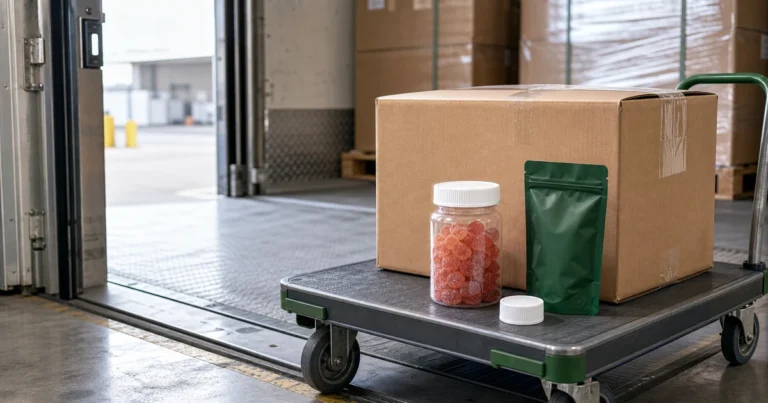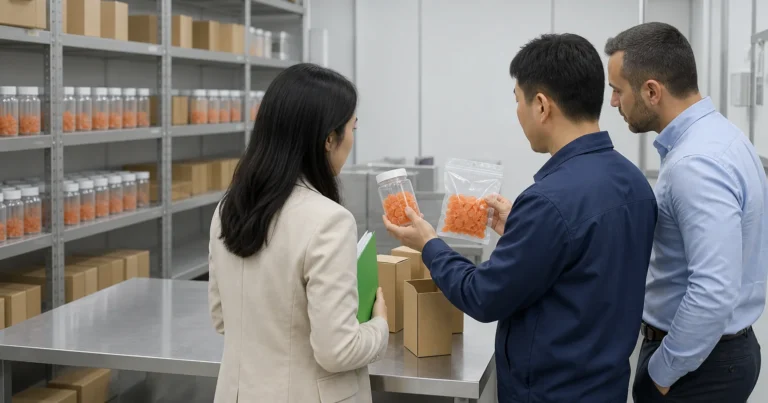
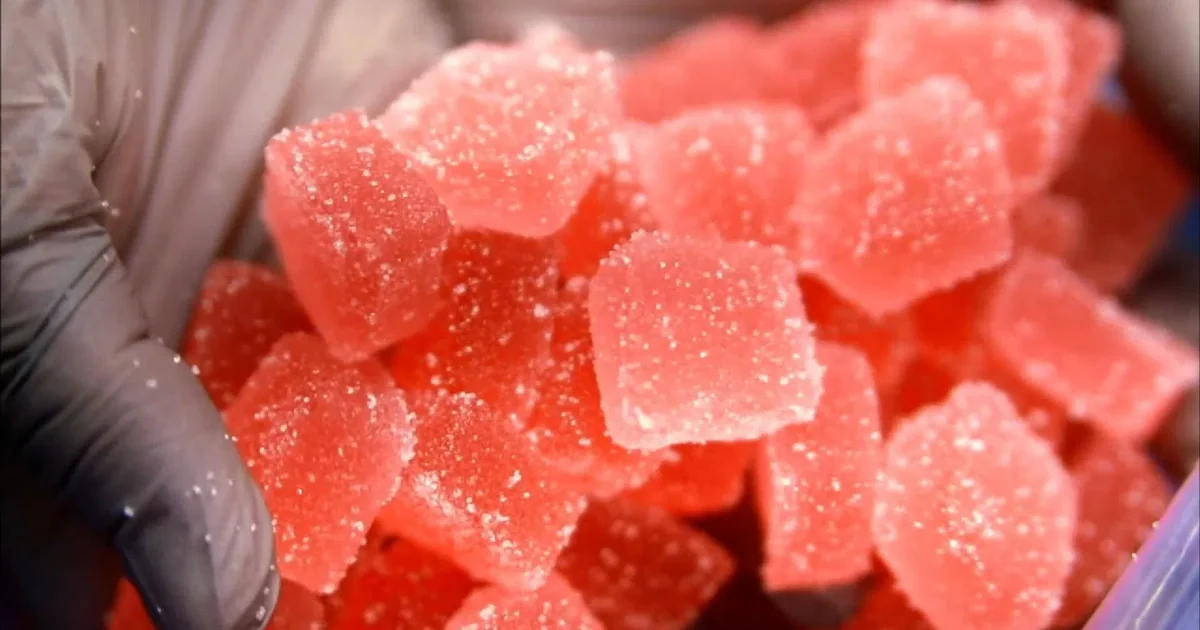

A myo-inositol gummy can look attractive on a label. The hard part starts when the serving, texture, testing, and claim language must work together.
Myo inositol gummies are chewable supplement products built around myo-inositol, often paired with D-chiro inositol. For brands, the main development question is whether the target serving, gummy count, taste, texture, stability, documentation, and claim boundaries can work responsibly in one product.

Decision Snapshot
- Myo-inositol gummies can be commercially useful, but they are not just capsules in a softer format.
- The 40:1 myo-inositol to D-chiro inositol ratio should be treated as a serving and label-design question, not a clinical promise.
- High active load can affect gummy size, gummy count, taste masking, texture, moisture, and cost per serving.
- PCOS, fertility, pregnancy, hormone, and insulin language should be reviewed as claim-boundary areas before launch.[^1]
- A good development brief should connect formula feasibility, sampling checks, packaging, finished-product testing, and label review before production.
I would not start a myo-inositol gummy project by copying benefit language from finished products. I would start by checking what the gummy must physically carry and what the brand can responsibly say. A concept that looks strong in a marketing deck can still fail if the serving is too heavy, the gummy count is unrealistic, the texture changes in storage, or the claim path is too aggressive.
What Are Myo-Inositol Gummies?
A consumer may see a pleasant daily gummy. A product team has to see the active blend, base system, serving plan, and claim risk behind it.
Myo-inositol gummies are supplement gummies that deliver myo-inositol in a chewable format. They may appeal to consumers who dislike powders or capsules, but brands still need to check serving size, active load, ingredient compatibility, texture, stability, and claim boundaries before development.
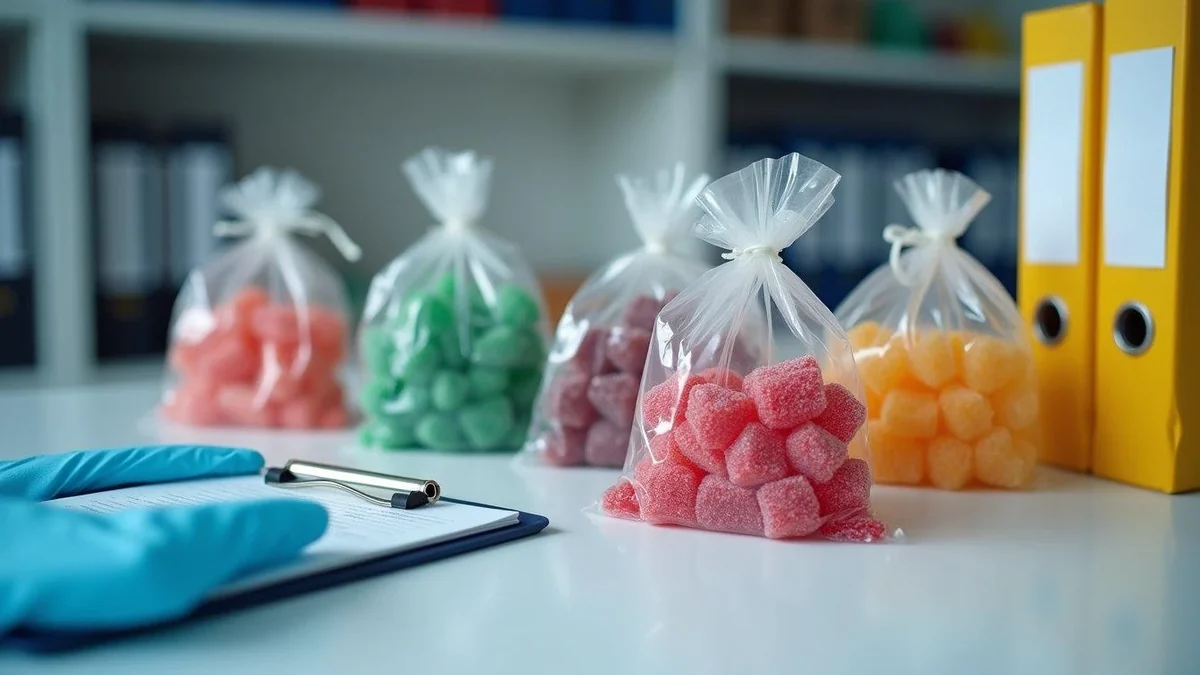
What Myo-Inositol Means in Supplement Products
Myo-inositol is commonly used in supplement products, often in wellness-positioned formulas.[^2] In consumer language, people may connect it with women's wellness, hormone-related wording, or metabolic-support wording. In product development, I look at it from a different angle. I ask how much active material the gummy needs to carry, what other nutrients are planned, and whether the claim direction creates risk before the first sample is made.
The ingredient name is only the start. The finished gummy needs a stable base, a clear serving, a workable flavor system, a controlled moisture profile, and a label that can be supported. If the brand treats the gummy as a simple flavor upgrade, the project can become difficult once the team sees the true active-load pressure.
Why Brands Use a Gummy Format
Brands choose gummies because the format is easy to understand. Gummies can feel more friendly than powders or capsules. They can also support a lifestyle product image, especially in beauty, wellness, and daily routine categories.
That commercial advantage is real, but it is not free. A gummy has limited physical space. It needs the active ingredient, gelling system, sweeteners, flavors, acids, moisture, and sometimes coating or oil-based nutrients to work together. If the active load is high, the product may need a larger gummy, more gummies per serving, stronger taste masking, or a different packaging plan.
This is where the gummy format changes the development task. The brand is not only asking, "Will consumers like gummies?" It is asking, "Can this ingredient system still become a stable gummy that people will want to take every day?"
Where D-Chiro Inositol Fits
Many myo-inositol gummy concepts include D-chiro inositol. The two ingredients are often used together in a 40:1 blend story.[^3] For a brand, that does not mean the ratio can be copied from the market and sent directly to production. D-chiro inositol is a separate raw material with its own specification, documentation, label declaration, and blending requirements.
I would treat D-chiro inositol as part of the full product architecture. The team should confirm the ingredient form, target amount, ratio story, gummy count, support nutrients, and claim wording before sample work. If the product needs a custom blend, a stock formula vs custom formulation discussion can help define whether the project is a fast private-label route or a more controlled custom development route.
Why the 40:1 Myo-Inositol to D-Chiro Inositol Ratio Gets Attention
The 40:1 ratio is easy to put on a concept sheet. It is harder to make it work as a gummy serving and label story.
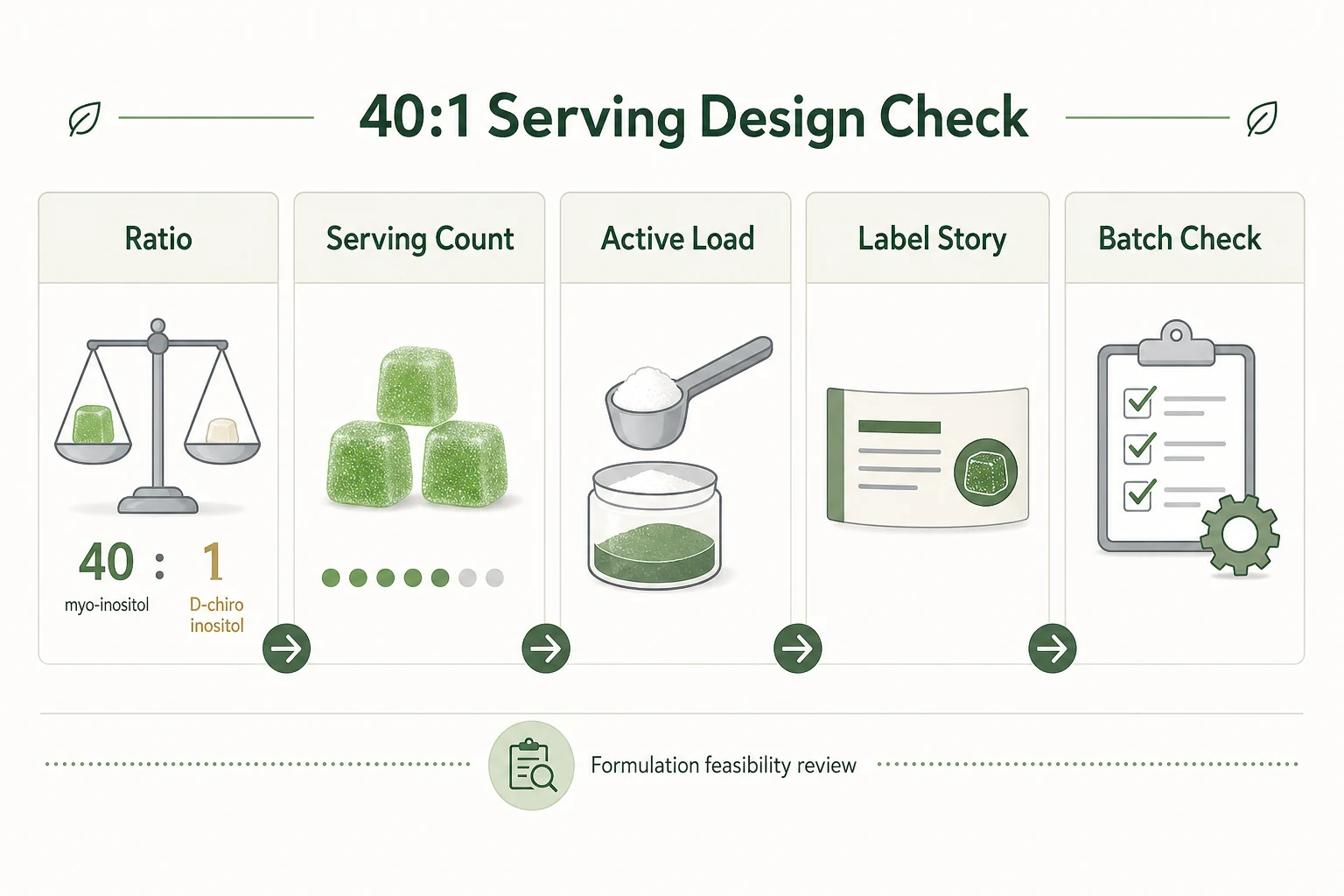
The 40:1 myo-inositol to D-chiro inositol ratio means the formula uses much more myo-inositol than D-chiro inositol. Brands should review the ratio as a formula, serving-size, finished-product, and claim-boundary issue rather than a promise of clinical results.
What the 40:1 Ratio Means on a Label
A 40:1 ratio means the formula contains forty parts myo-inositol for one part D-chiro inositol. On a supplement label, this can create a clear product story. It tells the shopper that the product uses a specific blend between the two inositol forms.
The issue is that a ratio is not the same as a workable gummy. The ratio can be correct while the total active amount is too high for the desired gummy count. It can also be correct while the texture, taste, cost per serving, or finished-product testing plan still needs review.
| Label idea | Development question |
|---|---|
| 40:1 myo-inositol to D-chiro inositol | Can the finished gummy support the declared blend consistently? |
| High active amount | How many gummies does one serving require? |
| Women's wellness positioning | What claim language is allowed and what should be avoided? |
| Added nutrients | Do the extra actives affect taste, heat exposure, moisture, or label review? |
| Clean-label or vegan direction | Does the base still support texture and shelf life? |
I would rather confirm these points before sampling than correct them after the brand has already built packaging artwork and sales copy around the ratio.
Why Brands Should Be Careful With Clinical Language
The 40:1 ratio often appears near sensitive health topics. PCOS, fertility, pregnancy, hormone balance, and insulin sensitivity can all appear around the category.[^2] These words may attract consumer attention, but they are not casual marketing words.
The safer path is to separate formulation language from outcome language. A brand can review whether the formula uses a 40:1 blend. It still needs a qualified claim review before using language that implies disease support, reproductive outcomes, pregnancy guidance, or metabolic management. This matters across the label, ecommerce page, ads, social content, influencer briefs, and customer service scripts.
From a manufacturing-support view, the ratio should be treated as a product specification first. The claim story should come later, after the label and marketing language are reviewed.
How Serving Size Changes the Product Design
Serving size is where the 40:1 concept becomes physical. If the brand wants a large amount of myo-inositol, the gummy has to carry that material. If the gummy cannot carry it well, the product may need more pieces per serving, a larger piece size, or a revised active target.
A practical serving review should ask:
| Serving question | Why it matters |
|---|---|
| What active amount is planned per serving? | It defines the load the gummy must carry. |
| How many gummies can one serving include? | It affects consumer experience and bottle count. |
| Does the ratio fit the serving? | It keeps the formula story and label story aligned. |
| Can the gummy still taste good? | High powder load can affect sweetness, chalkiness, and aftertaste. |
| Can the finished batch be checked? | Ratio and active content should be supported by documentation. |
This is also a commercial question. More gummies per serving can increase cost per serving, bottle size, and daily-use friction. A two-gummy serving may feel simple. A four-gummy serving can change the product perception.
Common Ingredients in Myo-Inositol Gummies
A longer ingredient list can make a gummy look more complete. It can also make the product harder to control.
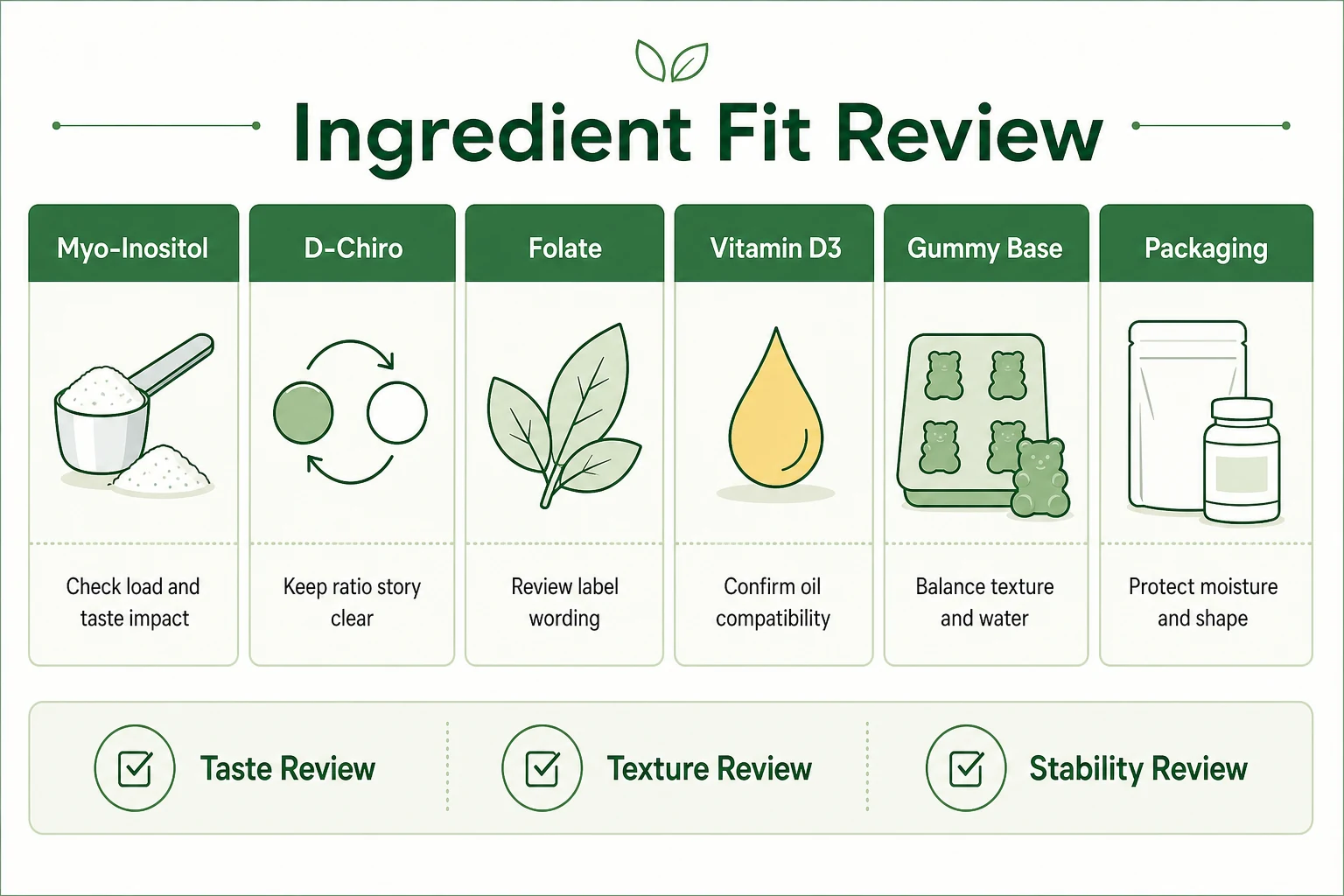
Common myo-inositol gummies may include myo-inositol, D-chiro inositol, methylfolate, vitamin D3, chromium, sweeteners, flavors, and a pectin or gelatin base. Each added nutrient should be checked for serving fit, claim fit, taste, texture, processing, and stability.
Myo-Inositol and D-Chiro Inositol
Myo-inositol and D-chiro inositol are the core actives in this concept. Myo-inositol usually carries most of the active weight. D-chiro inositol is present at a much smaller amount when a 40:1 blend is used. Both need clear raw-material specifications and a formula plan that supports accurate declaration.
The development question is not only whether the ingredients can be sourced. It is whether they can be dispersed into the gummy base without damaging taste, texture, and repeatability. A sample that tastes acceptable on day one still has to behave through drying, coating, packaging, shipping, and storage.
Methylfolate, Vitamin D3, Chromium, and Other Add-Ons
Brands often add methylfolate, vitamin D3, chromium, ashwagandha, or other nutrients to build a broader product story. This may help positioning, but it can also increase formula and claim complexity.
Each add-on should earn its place:
- Methylfolate can add cost and handling considerations.
- Vitamin D3 may need careful dispersion.
- Chromium is used at low amounts and should be distributed evenly.
- Herbal or adaptogen add-ons can bring taste and claim questions.
The more ingredients the product includes, the more careful the sample and finished-product checks should be.
I do not like formulas that add ingredients only because they look attractive on the front label. A stronger product brief explains why each ingredient is included, how it affects manufacturing, and what documentation the finished product should provide.
Vegan, Sugar, and Clean-Label Considerations
Many brands want a vegan, low-sugar, or clean-label gummy. These choices can support market positioning, but they also change the gummy base. Pectin gummies can fit vegan positioning, but pectin is sensitive to acidity, minerals, and process control. Sugar-free or reduced-sugar systems can change sweetness, water activity, mouthfeel, and shelf-life expectations.
This is where gummy vitamin manufacturing experience becomes important. The gummy base is not decoration. It is part of the delivery system.
If a brand wants a vegan base, high active load, clean-label direction, and strong taste profile at the same time, the development team should rank those priorities before sampling. If every requirement is fixed, the project can become hard to adjust.
Key Product Development Challenges for Myo-Inositol Gummies
A myo-inositol gummy is judged by taste and convenience. Production has to judge active load, texture, moisture, packaging, and repeatability.
The main product development challenges for myo-inositol gummies are active load, gummy count, taste masking, texture control, moisture management, packaging fit, shelf-life planning, and finished-product testing. These checks decide whether the concept can move from sample to commercial production.
Active Load and Gummy Count
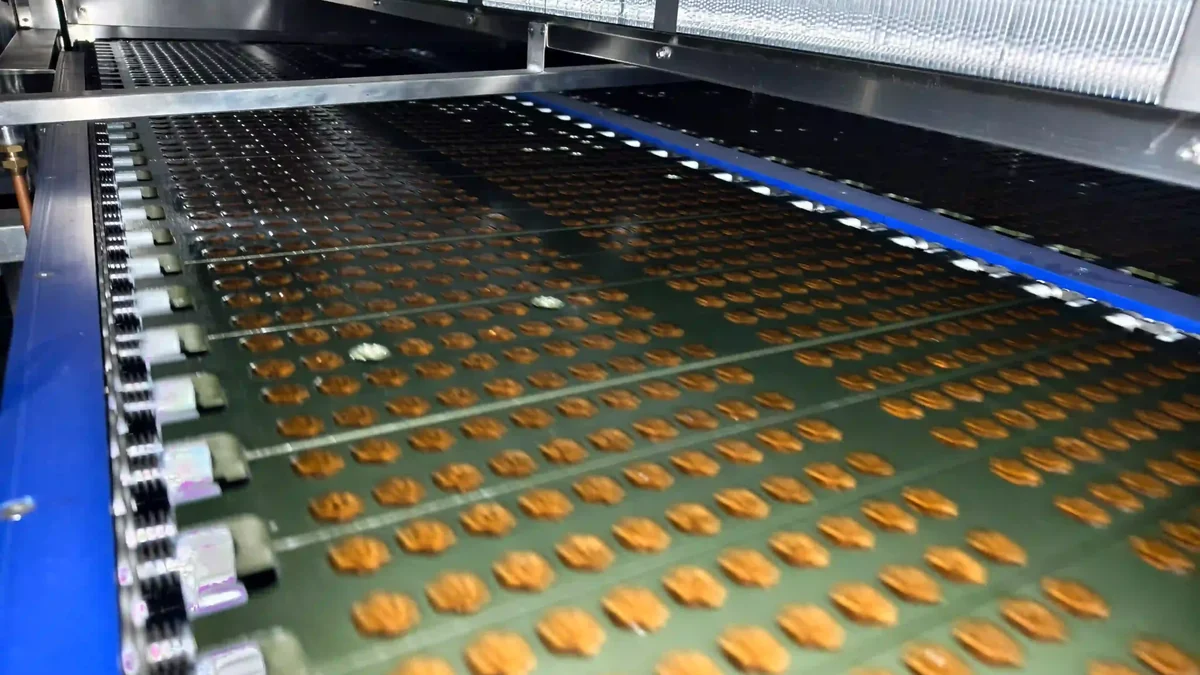
Active load is the first production question I would check. A gummy has limited room for powder. It also needs base materials, sweeteners, flavors, acids, and moisture control. When the active load rises, the gummy has less room to protect taste and texture.
Gummy count is the consumer-facing side of the same issue. One gummy per serving may sound attractive, but it may not be realistic. Two gummies can work for many concepts. Three or four gummies may still be possible, but the convenience advantage starts to weaken.
| Route | Advantage | Risk |
|---|---|---|
| Lower active amount | Easier taste, texture, and serving design | Weaker label story or less competitive serving |
| Larger gummy size | More room for active material | Heavier chew, larger bottle, possible consumer resistance |
| More gummies per serving | Keeps each piece more manageable | Higher cost per serving and more daily-use friction |
| Custom formula route | Better control over serving and positioning | More development time and more sampling work |
The best route depends on the product promise. If the brand wants a 40:1 story with a high total active amount, the serving design has to support that story without turning the product into an unpleasant daily routine.
Taste Masking, Texture, and Moisture Control
Taste masking is not just a flavor decision. It is a formula decision. Myo-inositol can have a mild sweet profile, but a high load can still affect mouthfeel.
Added nutrients may add bitterness, metallic notes, or dry powder character. Sweeteners and flavors can help, but they cannot fix every load problem.
Texture and moisture are tied together. A gummy must stay chewy without becoming sticky, wet, hard, or grainy. Water activity, drying, coating, packaging, and storage conditions all matter.
I avoid treating a nice first sample as proof that the commercial product is stable. A sample is only the first checkpoint.
The brand should ask how the sample will be evaluated after production and after storage. If the product changes quickly in texture, the team should adjust the formula or packaging before it commits to a commercial order.
Shelf Life, Packaging, and Finished-Product Testing
Shelf-life planning should start before the final packaging decision. Gummies can be sensitive to moisture and heat. A high active load can add more uncertainty. Packaging should support the formula, not just the brand design.
Bottle count, desiccant use, pouch material, seal quality, label space, and shipping conditions can all affect the product. If the gummy needs moisture protection, the packaging should be chosen with that need in mind.
Finished-product testing and documentation are part of the same proof chain. The brand should know what the COA covers, what specifications apply, and how the batch will be checked. A gummy supplement manufacturer checklist can help organize these questions before the project moves from sampling to production.
Claim Boundaries Brands Should Review Before Launch
The fastest way to create risk is to let the claim language move faster than the product proof.
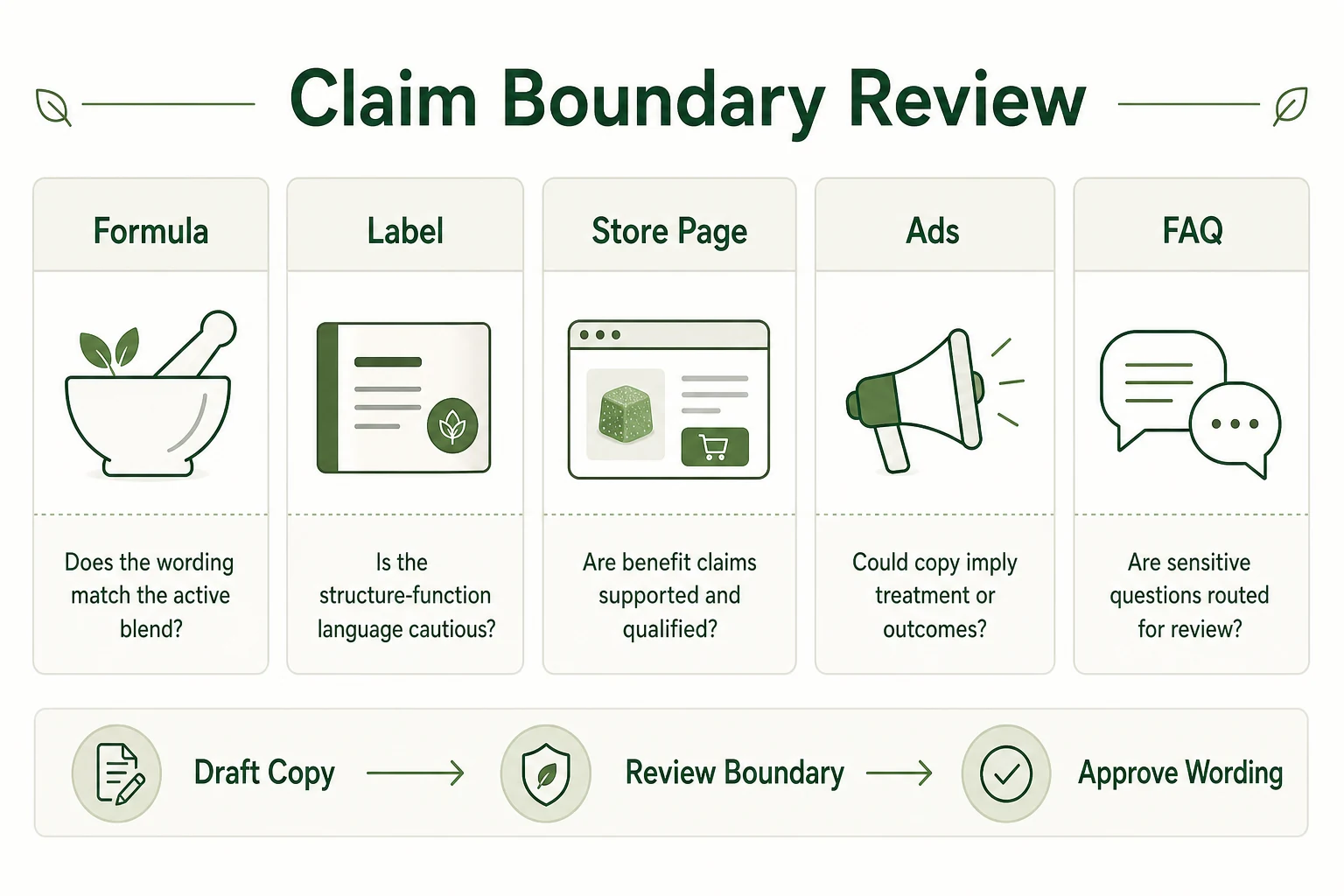
Brands should review PCOS, fertility, pregnancy, hormone, insulin-sensitivity, and metabolic language before launching myo-inositol gummies. These topics should be handled as claim-boundary areas, not casual benefit promises, medical explanations, or consumer advice.
PCOS, Fertility, Pregnancy, and Hormone Language
PCOS, fertility, pregnancy, and hormone language can be tempting because consumers may already associate inositol products with these topics. I understand the commercial reason. I also treat these terms as high-risk wording.
The better approach is to separate product education from health advice. A supplement article can explain that these topics appear in the category. It should not tell consumers how to use the product for a condition, pregnancy plan, fertility outcome, or hormone correction.
| Claim area | Safer development question |
|---|---|
| PCOS language | Does the wording imply disease support or condition management? |
| Fertility language | Does the wording imply an outcome or pregnancy result? |
| Pregnancy language | Does the wording require professional health guidance? |
| Hormone language | Does the wording imply correction of an abnormal state? |
| Product name | Does the name itself imply a disease or outcome claim? |
This review should happen before packaging and sales copy are locked. It should also cover ecommerce copy, ads, product pages, FAQs, and influencer briefs.
Insulin Sensitivity and Metabolic Claims
Insulin-sensitivity and metabolic language should also be handled carefully. These phrases may appear around the ingredient category, but they can move close to disease or condition-management claims. A brand should not imply that a gummy manages a condition or delivers a guaranteed result.[^4]
A safer product-development path is to focus on what the finished product can support: ingredient identity, serving design, Supplement Facts accuracy, quality checks, documentation, packaging, and approved claim wording. If the brand wants a more specific claim, that claim should go through qualified review before launch.
I would rather see a brand launch with clear, responsible wording than push aggressive copy that later needs to be removed. Claim discipline protects more than the label. It also protects customer support, marketplace listings, paid ads, and retailer conversations.
What to Confirm With Regulatory Review
Regulatory review should cover the label, Supplement Facts panel, serving size, ingredient names, structure/function wording, disclaimers where needed, warning statements, and all sensitive benefit language.[^1]
For myo-inositol gummies, I would also check consistency across all customer-facing materials. A cautious label can still be weakened by aggressive website copy. The product page, ad copy, FAQ, product insert, and sales scripts should not say what the label avoids.
This is also where certifications and quality documentation should be understood correctly. Quality documents can support trust in production. They do not give a brand permission to make unsupported health claims. Quality proof and claim proof are connected, but they are not the same thing.
Questions to Ask a Myo-Inositol Gummy Manufacturer
A good manufacturer brief is more useful than a long wishlist. It shows what needs to be tested before scale-up.
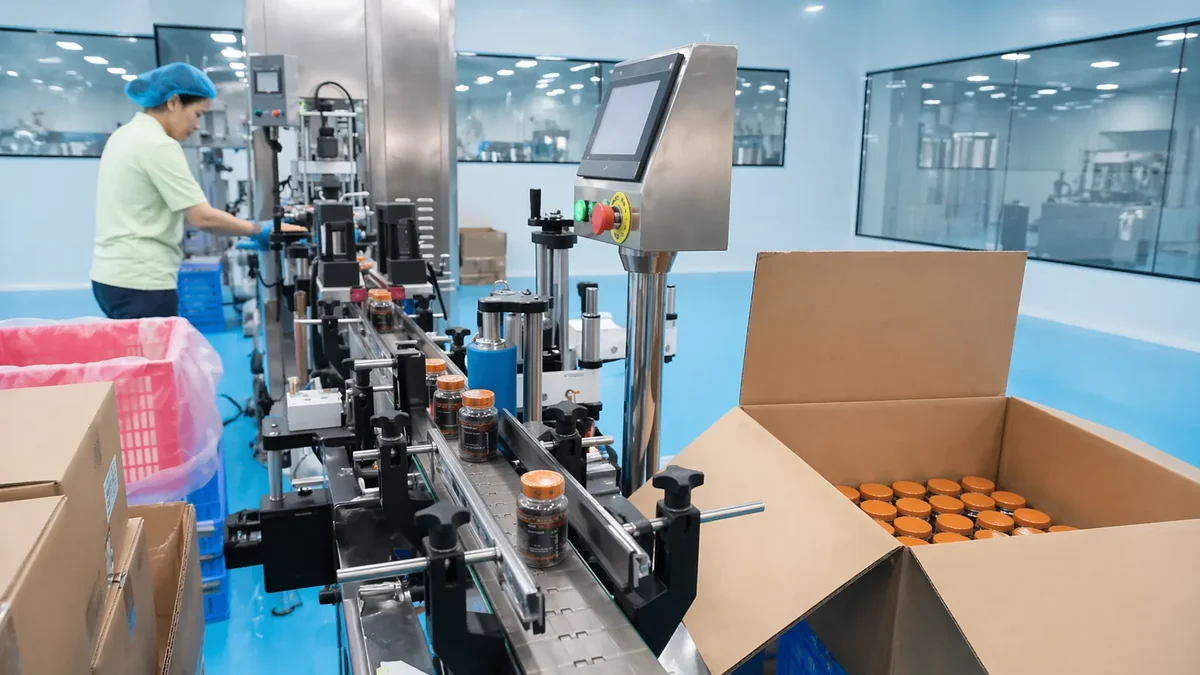
Before developing myo-inositol gummies, brands should confirm whether the target serving can work in a gummy, what should be checked during sampling, and what documentation should support the finished product. These questions reduce risk before commercial production.
Can the Target Serving Work in a Gummy?
The first question is whether the target serving can work in a gummy format. This includes myo-inositol amount, D-chiro inositol ratio if used, gummy count, support nutrients, base preference, and packaging direction.
The answer should not be only yes or no. It should explain the likely tradeoffs. The production team should be able to discuss piece size, serving count, taste-masking risk, texture expectations, moisture control, and packaging fit.
| Brief item | Why it matters |
|---|---|
| Target active amount | Defines formula load and serving structure |
| Desired 40:1 blend | Connects label story to actual formula design |
| Gummies per serving | Affects consumer experience, bottle count, and cost |
| Base preference | Vegan, gelatin, sugar, or sugar-free choices change development |
| Claim direction | Sensitive wording should be reviewed before launch |
| Package type | Bottle, pouch, count size, and moisture protection affect stability |
This is the type of early alignment that can prevent expensive sample revisions.
What Should Be Checked During Sampling?
Sampling should check more than flavor. A sample should help the brand see whether the formula direction can become a commercial product. The team should review taste, aftertaste, chew, stickiness, firmness, color, coating, active-load feel, and serving practicality.
The brand should also ask what may change between lab sample and commercial batch. A gummy can behave differently when the process scales. Mixing, heating, depositing, setting, drying, coating, and packaging can all affect the final result.
For brands that need a tighter formula route, custom gummy supplement development support can help organize the sample plan. The goal is not to make the most complicated formula. The goal is to build a formula that supports the brand promise and can still move through production with control.
What Documentation Supports the Finished Product?
Documentation should match the product risk. A myo-inositol gummy with sensitive claim surroundings should have clear ingredient records, batch records, COA expectations, finished-product specifications, label review records, and stability or shelf-life support where applicable.
The brand should ask what documents are available before the order is placed. It should not wait until a retailer, marketplace, or compliance reviewer asks for them. Documentation is easier to prepare when the product brief is clear from the start.
I also recommend keeping documentation connected to packaging and storage. If the gummy needs moisture control, the package should support that. If the product uses multiple actives, the finished-product specification should reflect what matters for the label.
The final product should be easy to explain internally: what it contains, how it is served, how it is controlled, and what the brand can responsibly say.
FAQs About Myo-Inositol Gummies
Are Myo-Inositol Gummies the Same as Capsules or Powder?
No. Myo-inositol gummies may use the same main active ingredient, but the delivery format changes the product design. Gummies need a base system, flavor system, texture control, moisture management, packaging review, and serving-size planning. Capsules and powders may offer more flexibility for higher active loads.
Can Myo-Inositol Gummies Use a 40:1 Blend?
Yes, myo-inositol gummies can be developed around a 40:1 myo-inositol to D-chiro inositol concept if the serving design can support it. The brand still needs to confirm active load, gummy count, taste, texture, stability, documentation, and claim wording before launch.
What Should Brands Check Before Developing This Product?
Brands should check the target active amount, 40:1 ratio story, gummy count, base choice, flavor and texture risk, packaging, finished-product testing, documentation, and claim boundaries. They should avoid turning the product into PCOS, fertility, pregnancy, hormone, insulin, or dosage advice.
Conclusion
A myo inositol gummies concept is strongest when serving design, gummy quality, documentation, and claim boundaries are reviewed before sampling.
As an OEM/ODM gummy manufacturer, Talvenda can help teams with a defined women's wellness brief compare whether low-MOQ market-tested in-stock gummies, stock formula modification, or custom gummy development fits the target active direction, 40:1 positioning, serving goal, and launch channel. Bring the target market, active ratio, flavor direction, packaging idea, and first-order expectation so the discussion can focus on sample development, documentation and testing expectations, and a realistic path to formula feasibility review.
As an OEM/ODM gummy manufacturer, Talvenda can help teams with a defined women's wellness brief review whether low-MOQ market-tested in-stock gummies, stock formula modification, or custom gummy development fits the target active direction, 40:1 positioning, serving goal, and launch channel. The discussion can connect sample development, packaging and label support, documentation and testing expectations, and quality-controlled production with a realistic first route, so the project does not spend early budget on a formula path that needs clearer proof or positioning first. Start with the project inquiry form.
[^1]: U.S. Food & Drug Administration, "Structure/Function Claims." https://www.fda.gov/food/nutrition-food-labeling-and-critical-foods/structurefunction-claims/ [^2]: Cleveland Clinic, "Inositol: Benefits & Side Effects," last reviewed August 6, 2023. https://my.clevelandclinic.org/health/drugs/25173-inositol/ [^3]: National Cancer Institute Drug Dictionary, "Myo-inositol/D-chiro-inositol supplement." https://www.cancer.gov/publications/dictionaries/cancer-drug/def/myo-inositol-d-chiro-inositol-supplement/ [^4]: Federal Trade Commission, "Health Products Compliance Guidance." https://www.ftc.gov/business-guidance/resources/health-products-compliance-guidance