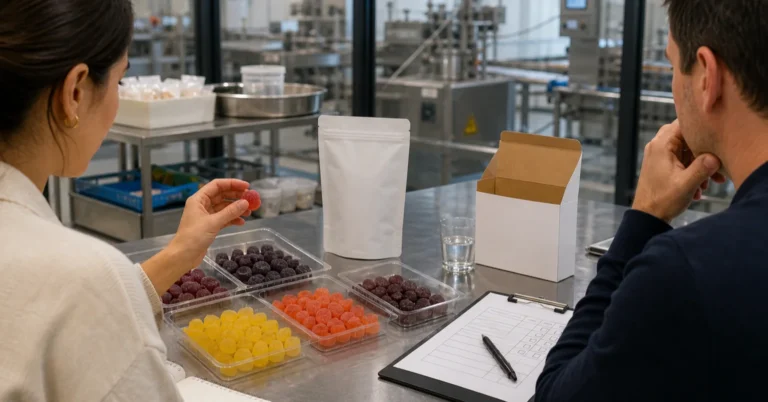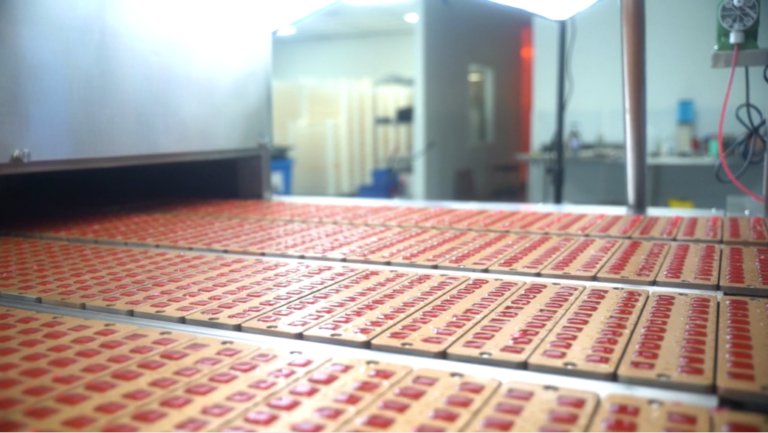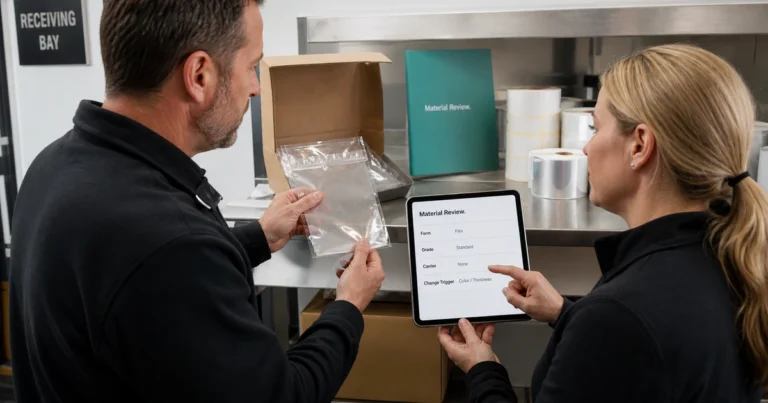

A gummy can carry the right active concept and still disappoint at the first bite. If taste decisions stay vague, sample work becomes expensive guesswork.
Flavor masking in gummy supplements manages bitter, metallic, earthy, sour, or lingering notes so the intended taste remains clear. Brands should align the active direction, serving format, sensory target, consumer position, and claim boundaries before asking a manufacturer to prepare samples.
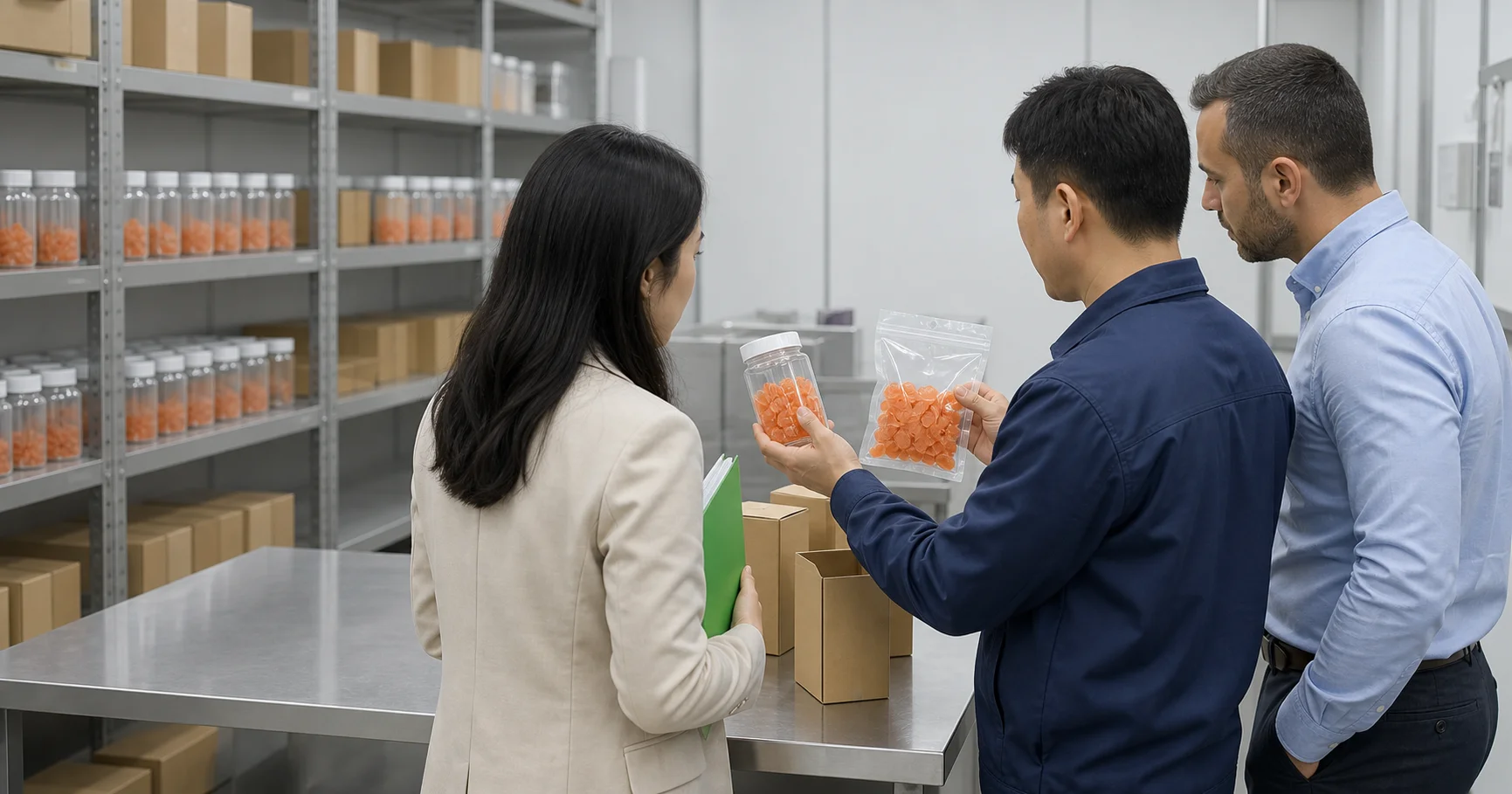
I do not frame flavor masking as a rescue step after a gummy concept has been priced, packaged, and positioned. A useful sample request explains the intended product, the experience it should deliver, and the compromises the brand will or will not accept. That gives the brand and production teams a shared basis for planning, feedback, revision, and later production review.
What Flavor Masking Means in Gummy Supplements
Flavor masking is often described as covering a bad taste. That description is too simple, and it can lead a brand to judge samples without understanding the tradeoffs.
Flavor masking in gummy supplements manages off-notes while protecting the intended flavor profile and eating experience. The active direction, gummy base, sweetness, acidity, aroma, texture, and finish are perceived together, so a useful masking approach must support the complete product concept rather than merely overpower one note. Bio-actives can introduce unpleasant taste or smell in gummy products[^1].
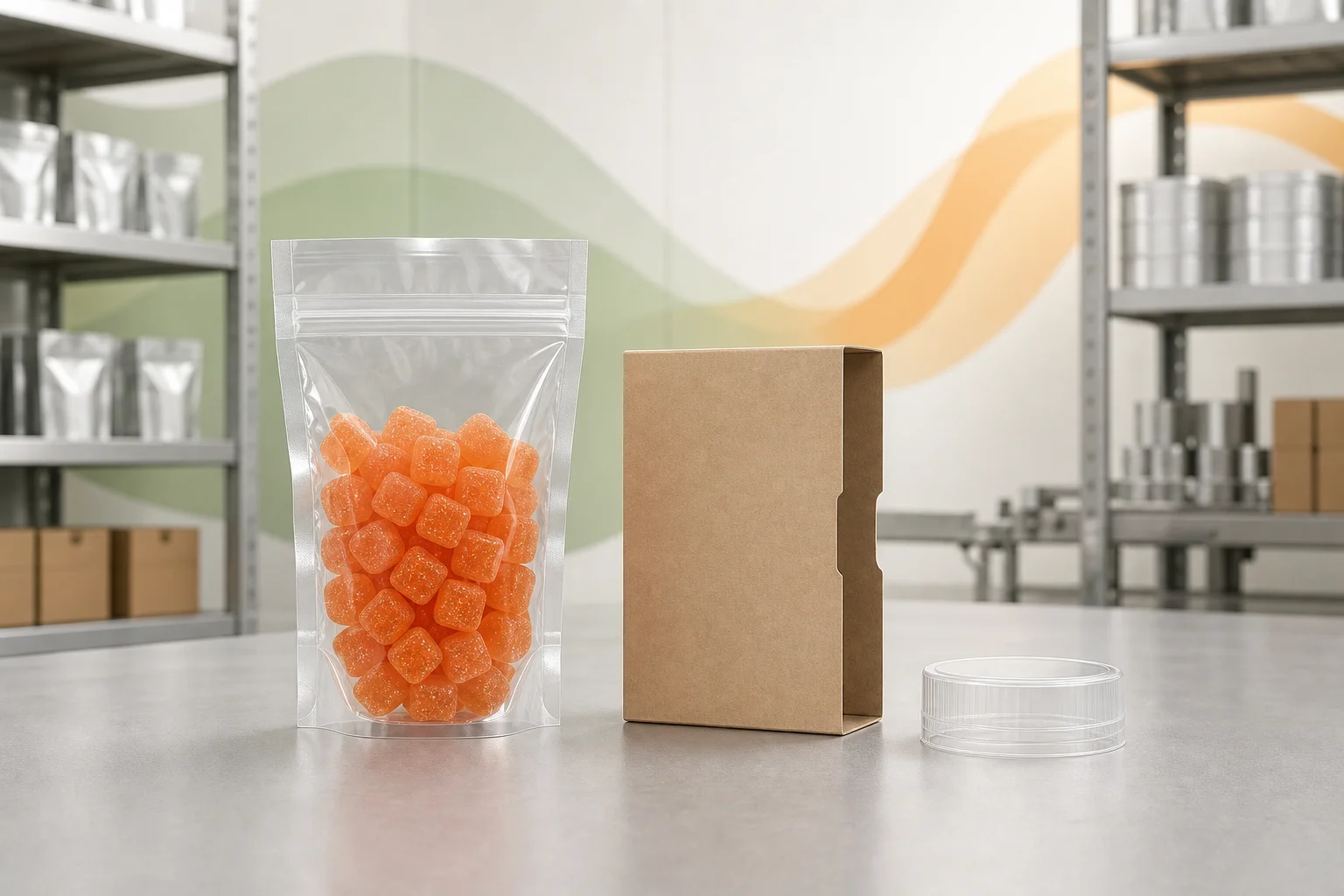
A consumer experiences a gummy as one product, not as a list of isolated ingredients. The aroma before the first bite, the chew, the main flavor, and the aftertaste all shape the impression. An unwanted note may appear immediately, build while chewing, or remain in the finish. That is why a comment such as "too bitter" does not by itself tell a development team what needs attention.
For a brand, the first practical task is to describe the note more clearly. Is it sharp, medicinal, earthy, mineral-like, grassy, sour, or simply too persistent? Does it overpower the intended profile, or does it become noticeable only near the end? Does the sample feel unbalanced because the off-note is strong, or because the main flavor lacks enough identity?
These questions do not require the brand to act as a flavor chemist. "The berry character becomes weak during the chew, and a dry mineral note dominates the finish" gives a manufacturer a clearer review point than "please improve the taste." It identifies the sensory gap without prescribing a formulation fix.
Flavor masking also has boundaries. A stronger flavor is not automatically a better solution. More sweetness may change the product character without resolving the finish. A powerful aroma may improve the first impression while leaving a later note untouched. The result can also become more candy-like than the brand intends. The goal is not maximum intensity; it is a coherent experience that fits the commercial product.
I prefer to frame the work as sensory alignment. The active direction, serving format, target flavor, texture, and finish need to make sense together. The manufacturer can outline development routes, while the brand owns the market position and acceptance decision. Flavor masking addresses sensory experience; it does not prove efficacy, stability, quality, or consumer response.
Why Flavor Masking Decisions Should Be Made Before Requesting Samples
Sample work becomes slow when every stakeholder carries a different idea of "good taste." Without an agreed target, each revision can solve a different problem.
Pre-sampling taste decisions give a gummy supplement manufacturer a defined sensory target and give the brand a consistent review method. The team should align flavor character, sweetness direction, aftertaste tolerance, texture expectations, consumer positioning, and decision authority before requesting the first sample.

The first sample should test a product brief, not discover one. If the brand has not aligned internally, founders, product managers, marketing teams, and sourcing staff may send conflicting feedback. One person may want a light adult profile. Another may expect a sweeter mainstream product. A third may accept a stronger active character to preserve another part of the concept. Each view can be reasonable, but together they do not describe one product.
Early alignment also protects the commercial logic behind the concept. A bright fruit direction may fit one audience, while a restrained botanical character may fit another. Texture, serving format, packaging language, and visual identity can shape what the customer expects before tasting the gummy.
For that reason, I ask brand teams to separate preferences from requirements. "We prefer a fresh berry direction" leaves room for feasibility input. "The finish cannot be dominated by the active blend" describes a potential approval boundary. "The profile should feel appropriate for an adult daily supplement" identifies a positioning requirement. This distinction shows the manufacturer where flexibility exists.
A market reference can also help calibrate language when it is used carefully. The brand is not asking for a copy. It is identifying a recognizable level of sweetness, tartness, flavor boldness, or finish so that "light," "fresh," or "adult" does not mean something different to every reviewer.
The team should decide who gathers comments and who has final sensory authority. A broader tasting group can identify patterns, but one decision owner should resolve disagreements against the approved brief. That person does not need to prescribe a technical solution; the role is to protect the intended user, position, and acceptance boundary.
| Decision area | What the brand should define | Why it matters |
|---|---|---|
| Intended experience | Main flavor character, sweetness direction, texture, and finish | Gives the sample a recognizable target |
| Target user | Who the product is for and how it should be perceived | Prevents a profile that feels childish, medicinal, or generic |
| Acceptable tradeoffs | Which notes may remain and which would block approval | Keeps feedback realistic and consistent |
| Calibration reference | A shared sensory example or descriptive vocabulary | Reduces interpretation gaps between teams |
| Review authority | Who collects feedback and who makes the final decision | Avoids contradictory revision instructions |
| Commercial boundary | Product position, claim direction, and packaging expectations | Keeps sensory work connected to the launch concept |
When these decisions are made before sampling, feedback can explain what moved closer to the target, what still conflicts with it, and whether the remaining issue deserves a limited revision or a larger concept review.
The Pre-Sampling Brief: What to Align With Your Manufacturer
A weak brief asks for a pleasant gummy. A useful brief explains the decisions that shape what "pleasant" can realistically mean for the intended product.
A pre-sampling gummy brief should align the active direction, expected off-notes, serving format, target taste experience, consumer position, ingredient constraints, target market, and claim boundaries. The manufacturer can then review feasibility and plan samples against one commercial concept rather than a collection of assumptions.

The brief should guide discussion while remaining open to feasibility feedback. Brands do not need to prescribe a recipe, masking ingredient, or production method. They should define the intended outcome, non-negotiable boundaries, and decisions that still need professional input.
Active direction, off-notes, and serving format
Start with the active direction and the sensory challenge the brand expects. If the active blend is still under review, say so. If earlier work revealed a persistent bitter, mineral, earthy, or lingering note, describe where it appears in the eating experience. An early observation should guide review, not be presented as a guaranteed technical conclusion.
The serving format belongs in the same conversation. A concept built around one piece may create a different development challenge from one that allows several pieces. The brand should explain how it expects the product to be used and whether the format is fixed, preferred, or open to feasibility review.
The manufacturer can then discuss the route at the right level: whether the current direction deserves sample work, whether the serving design needs reconsideration, or whether comparing more than one concept route would answer a useful question. The discussion should remain conditional until sample review and later validation provide better evidence.
Document expected off-notes in plain language:
- When does the note appear: first bite, middle of the chew, or finish?
- How strong is it compared with the intended flavor?
- Does it fade, build, or remain?
- Is the problem the note itself or its mismatch with the product position?
- Would a trace be acceptable if the product otherwise fits the brief?
These observations help the manufacturer plan useful sample work without asking the brand to write the formula.
Target taste experience and consumer positioning
"Berry," "citrus," or "tropical" is only a starting point. A berry profile might be fresh and light, rich and sweet, tart and adult, or familiar and candy-like. Each direction creates a different expectation even before feasibility is reviewed.
Consumer positioning makes the target more concrete. A daily wellness product may need a different sensory identity from a sports-nutrition concept. A premium adult product may tolerate more complexity than a broad mainstream product. One concept may accept some active character as part of its identity, while another may need a cleaner, more familiar finish.
The brand should avoid unsupported predictions about market or consumer response. Sample work cannot prove those outcomes. It can test whether the product reflects the agreed direction: refreshing, restrained, bold, familiar, botanical, or functional.
A mood board, packaging concept, or market reference can clarify positioning, but it cannot replace a written description of the sweetness direction, flavor character, texture, and finish. The written record is what keeps feedback connected across reviewers and revisions.
Ingredient, market, and claim-boundary constraints
The brief should identify constraints that could change the development route. These details cannot wait until after sensory approval. A sample that ignores the intended commercial boundaries may taste acceptable but fail to represent the product the brand plans to launch.
Brands should distinguish among fixed requirements, strong preferences, and open decisions:
| Constraint status | Meaning for sample planning | Example of the decision record |
|---|---|---|
| Fixed | The route must respect this boundary | Intended market or approved claim direction |
| Preferred | The team wants this outcome but will review tradeoffs | Sensory character or ingredient-positioning preference |
| Open | The manufacturer may present feasible routes for comparison | Serving format or degree of acceptable active character |
The target market should be known because ingredient expectations, label review, and documentation needs may differ. A manufacturer can support feasibility and documentation discussions, but the brand should obtain appropriate regulatory and legal review for final market and claim decisions.
Claim direction also deserves early attention. If the intended product promise creates pressure for a particular active direction or serving format, that pressure may affect the sensory target. The responsible response is to review whether the concept, serving design, taste expectation, and claim boundary can coexist—not to strengthen a promise or hide a product conflict.
This is where a stock formula vs custom formulation discussion may become useful. A more established route may reduce some development uncertainty, while a custom route may support greater differentiation but require more linked decisions and validation. The brand should compare the routes against its priorities rather than assume one is inherently better.
How to Set Useful Sample Acceptance Criteria
"Tastes good" cannot guide a reliable approval. It changes with the reviewer, the comparison sample, and even the order in which samples are tasted.
Sample acceptance criteria turn a gummy taste target into observable review points. Useful criteria cover the main flavor, off-note timing and intensity, sweetness, acidity, aroma, texture, finish, sample identity, and fit with the approved product position without pretending sensory judgment is fully objective. Food and pharmaceutical taste-masking literature uses sensory assessment to evaluate bitterness reduction but does not set a commercial acceptance standard for gummy supplements[^2].
Acceptance criteria should support a decision, not create false precision. Sensory review necessarily involves judgment. A structured sheet makes that judgment consistent enough to compare options, identify the remaining gap, and explain why a sample is approved, rejected, or held for review.
Start with a small number of attributes tied directly to the brief. Too many scoring fields can direct attention toward minor differences while obscuring the main question: does this sample represent the intended product?
| Review point | Practical question | Useful decision language |
|---|---|---|
| Main flavor | Is the intended character clear from first bite through the chew? | clear / weak / overpowering / changes too much |
| Off-note | When does the unwanted note appear, and does it dominate? | acceptable trace / noticeable / blocking |
| Sweetness and acidity | Do they support the profile or compete with it? | balanced / too sweet / too sharp / flat |
| Aroma | Does the aroma match the flavor expectation? | aligned / faint / disconnected / excessive |
| Texture | Does the chew support the intended experience? | appropriate / too firm / too soft / distracting |
| Finish | What remains after chewing? | clean / pleasant / dry / bitter / lingering |
| Positioning fit | Does this feel like the product the brand intends to sell? | aligned / too candy-like / too medicinal / too generic |
Reviewers should assess clearly identified samples under reasonably consistent conditions and record comments independently before discussion. Repeated observations about a late off-note or weak main flavor are more useful than one broad like-or-dislike score.
The brand and manufacturer can use the same descriptive vocabulary without claiming the evaluations will be identical. A difference between their assessments is not automatically a failure. It is a calibration issue to discuss: which attribute was understood differently, and what language would make the next decision clearer?
Separate an approval from a direction. "Sample B is closest" is not the same as "Sample B is approved." If an option is only the best of those presented, record what still prevents approval. That distinction reduces the risk of advancing because the newest sample feels better than the first.
Good feedback identifies the gap without dictating an unreviewed fix:
- Useful: "The citrus character is clear at first, but a dry active note dominates the finish."
- Weak: "Make it sweeter."
- Useful: "The chew feels appropriate, but the profile is more candy-like than the approved adult positioning."
- Weak: "Use a natural flavor."
The manufacturer can use the observation to outline feasible options. The brand can then decide whether the next step is a controlled revision, a comparison route, or a return to a larger product decision.
Acceptance criteria should follow the sample through the project. If the active direction, serving format, positioning, packaging expectation, or claim boundary changes, the original criteria may no longer describe the same product. Update the record rather than assume the earlier approval still applies.
When a Taste Issue Signals a Larger Custom-Formulation Decision
Repeated masking requests can become a warning sign. If the same note survives every review, another flavor adjustment may only delay the decision the team needs to make.
A persistent gummy taste issue may signal that the active direction, serving design, gummy base, consumer promise, or custom-formulation scope needs review. Brands should pause when revisions add complexity but do not move the sample closer to the agreed acceptance criteria.
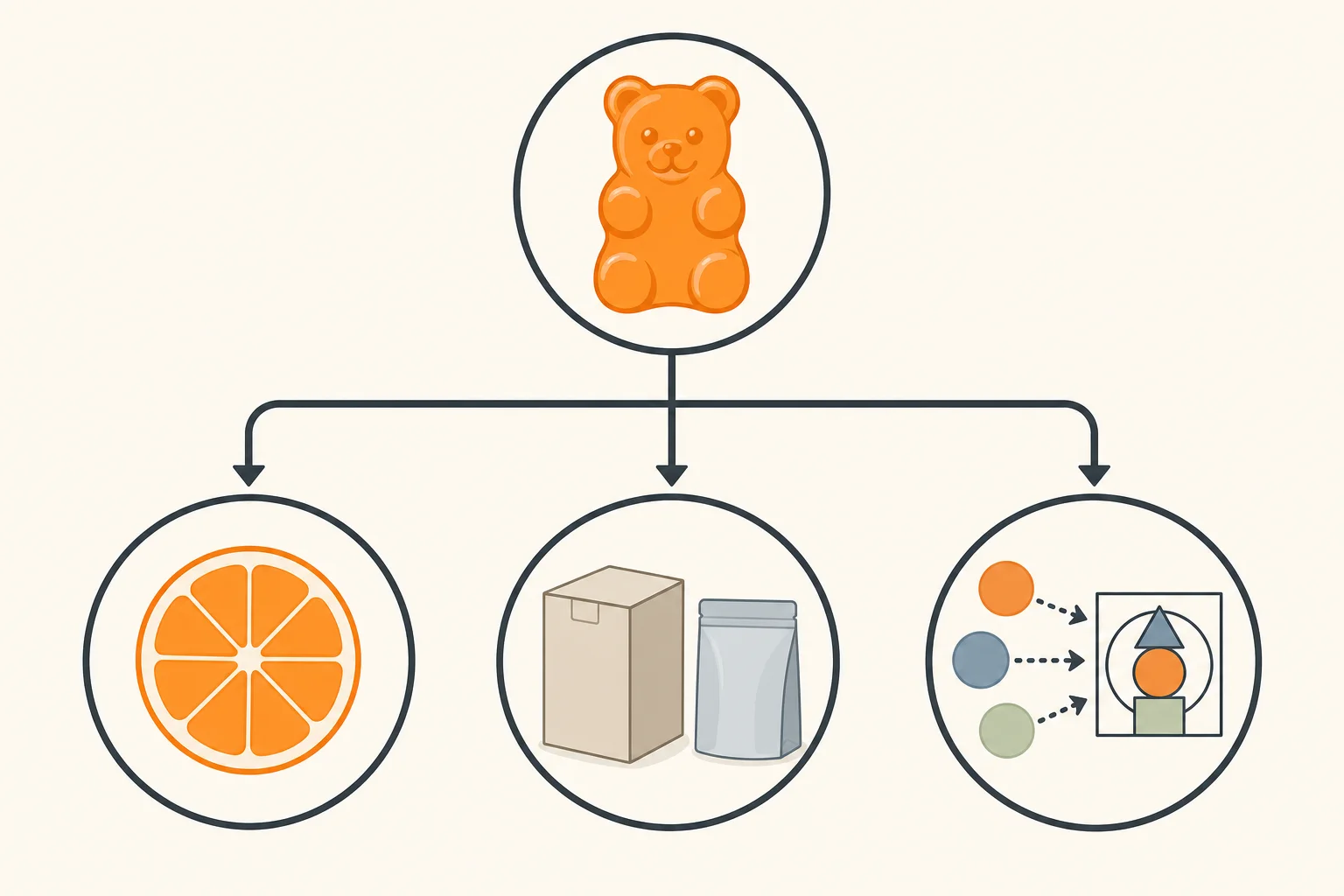
At this point, I return to the original product logic. What is fixed because it defines the product? What is fixed only because the team assumed it had to be? Which part of the brief creates the greatest sensory pressure? Which compromise would change the product promise, and which would make the concept more feasible without changing its role?
A custom formulation can support differentiation, but it also creates more linked decisions. The active direction, gummy base, serving design, target flavor, texture, packaging, claim language, and production plan cannot be judged in isolation. The manufacturer should explain routes and validation questions, while the brand decides which tradeoffs fit its strategy.
Several patterns suggest that the issue is larger than flavor selection:
- The first impression improves, but the same dominant finish remains. The pressure may come from the broader active or serving direction.
- The flavor becomes stronger while the intended product identity becomes weaker. The sample may be covering an off-note with a profile the brand does not want to sell.
- Reviewers change the target after each sample. The team may not have aligned on positioning or acceptance criteria.
- A sample works only after a core commercial requirement is removed. The brand needs to decide whether that requirement is truly fixed.
- Late changes affect claims, packaging, documentation, or production planning. The project may need a controlled re-brief rather than an isolated revision.
The decision can be framed as three broad routes:
| Route | When it may fit | Decision to resolve |
|---|---|---|
| Refine within the current brief | The sample is close and the remaining gap is narrow | Can a limited revision meet the existing criteria? |
| Compare a revised serving or active direction | The off-note remains dominant or the current format creates pressure | Which commercial requirement has room to move? |
| Reconsider the product concept | The sensory target conflicts with positioning, claims, or intended use | Is the original product promise still feasible and credible? |
If the team changes routes, it should update the brief, acceptance criteria, and validation plan. Otherwise, different departments may continue working from different versions of the product.
Flavor masking should not conceal a concept that no longer makes commercial sense. A difficult taste does not automatically mean the product should be abandoned. It does mean the linked decisions should be examined before more sample work repeats the same conflict.
From Approved Sample to Production Validation
An approved sample feels like a finish line, but it is only one controlled decision point. Commercial production introduces conditions a development sample cannot represent by itself.
An approved gummy supplement sample establishes a sensory target, but it does not establish production performance. Brands and manufacturers should carry the approved brief, acceptance criteria, documentation expectations, packaging plan, and change controls into production validation before treating the product as commercially ready.

The first requirement is traceability. The brand and manufacturer should be able to identify what was approved, which brief it represented, who approved it, and which criteria were used. An unlabeled sample bag and a message saying "this one tastes best" are not a reliable production handoff.
The approved sample should connect to a clear record:
- the current product brief;
- the accepted sensory criteria;
- the agreed serving and positioning direction;
- open questions or accepted compromises;
- packaging and documentation expectations;
- the next validation decisions before routine production.
This record reduces accidental drift. A later change to the active direction, serving design, label, packaging, or other product requirement may affect the experience or the basis of approval. The manufacturer should explain how changes are recorded and reviewed. The brand should decide which changes require renewed sensory or commercial approval.
Production validation should compare the commercial result with the approved target at an appropriate level. The review may cover sensory consistency, appearance, texture, packaging fit, documentation, and other agreed quality points. The exact scope depends on the product and manufacturing plan. It should not be replaced by an assumption that a good development sample will reproduce itself automatically.
This is where Talvenda's production-first perspective matters. Our role is not to promise that flavor masking resolves every scale-up variable. We can support the discussion from formula feasibility and sample planning through packaging expectations, documentation needs, and scale-up coordination. The brand reviews the evidence and approves the commercial route.
For a wider view of the operating context, our guide to gummy vitamin manufacturing explains why formula, production, packaging, and quality planning need to move together. Flavor is one visible part of that system; a pleasant sample cannot substitute for the full validation chain.
The manufacturer can present observations, possible routes, and validation needs without silently redefining the brand's target. The brand can accept a documented compromise, request a controlled revision, or change the brief. Each choice should be explicit.
When the approved sample, commercial brief, and production evidence remain connected, flavor masking becomes part of a managed product-development process. When those records separate, sample approval can create false confidence and costly late-stage rework.
Questions to Ask a Gummy Supplement Manufacturer Before Sampling
A capable manufacturer should ask more than which flavor the brand wants. If the discussion begins and ends with a flavor name, important decisions remain hidden.
Manufacturer questions before gummy sampling should test brief completeness, sensory targets, active and serving constraints, review methods, change control, documentation expectations, packaging fit, and production validation. Clear answers help both teams identify missing decisions before they become repeated sample work.
The first conversation should reveal how the manufacturer thinks. A useful partner does not need to provide a final technical solution before reviewing the brief. The partner should be able to explain what information is needed, which assumptions require checking, and how the sample decision connects to production work.
Use these questions as a discussion guide:
Brief and feasibility
- What information do you need before assessing the flavor-masking challenge?
- How do you distinguish a narrow sensory adjustment from a larger serving or formulation decision?
- Which parts of our brief appear fixed, and which should remain open during feasibility review?
- How will assumptions and unresolved questions be documented before sample work starts?
Sample planning and sensory review
- Which sample routes would answer distinct decisions, and what is each intended to test?
- What feedback format helps your team understand off-notes, sweetness, acidity, aroma, texture, and finish?
- How do you control sample identity, reviewer comments, and approval status?
- How should conflicting stakeholder feedback be consolidated?
- What would make you recommend pausing sensory revisions and revisiting the product brief?
Revision and change control
- How will each revision be linked to the approved brief and previous feedback?
- Which changes could make an earlier sensory approval no longer relevant?
- How are accepted compromises and open issues recorded?
- When should the brand compare a larger custom-formulation change instead of refining the current route?
Production, packaging, and documentation
- How will the approved sample be identified and carried into production validation?
- Which packaging assumptions should be discussed before sample approval?
- What product and production documentation should the brand expect to review?
- How will observations that could affect the sensory target be communicated?
- What evidence will the brand review before approving the commercial route?
These questions do not promise an outcome. They reveal whether the development process has clear roles, records, decisions, and escalation points. The answers should be specific enough to show how the work is managed without relying on unsupported promises.
The manufacturer will also need answers from the brand. Be prepared to explain the target user, product position, serving direction, expected off-notes, acceptance criteria, decision owner, market, packaging idea, and claim boundary. If those inputs remain unclear, an immediate sample request may create activity without useful progress.
Our gummy supplement manufacturer checklist supports a broader production-partner review. For a flavor-masking project, keep the focus narrower: how the approved commercial brief becomes controlled sample work and how that decision is carried into production validation.
The strongest pre-sampling discussion ends with a shared action record. It should name the inputs still needed, the routes to review, the owner of each decision, and the evidence required before the project advances.
Conclusion
Flavor masking works best when a brand defines the product, sensory target, acceptance criteria, and decision boundaries before sampling, then carries the approved result into production validation.
For a flavor masking project, Talvenda can help your team compare a stock gummy route, stock formula modification, or custom gummy development route against the active direction, serving goal, and target market. As an OEM/ODM gummy manufacturing partner, we can outline a clearer sample path while coordinating formula feasibility, sensory expectations, packaging needs, documentation, and scale-up planning. Bring those three inputs to the first discussion, and the brand team can evaluate which route fits its priorities. Contact Talvenda to plan the next practical step.
[^1]: Wacker Chemie AG, “The Taste of Healthiness,” https://www.wacker.com/cms/en-us/products/insights/biotechnology-nutraceutical-gummies.html. Scope note: supplier technical material; supports only the presence of unpleasant taste or smell from bio-actives in gummies. [^2]: M. L. Gaudette and G. J. Pickering, “Physical Approaches to Masking Bitter Taste: Lessons from Food and Pharmaceuticals,” https://pmc.ncbi.nlm.nih.gov/articles/PMC4898047/. Scope note: food/pharmaceutical review; supports sensory-evaluation context, not a gummy-specific commercial standard.