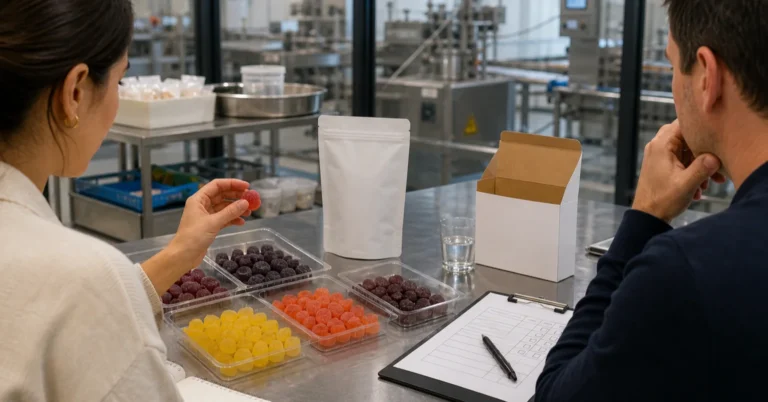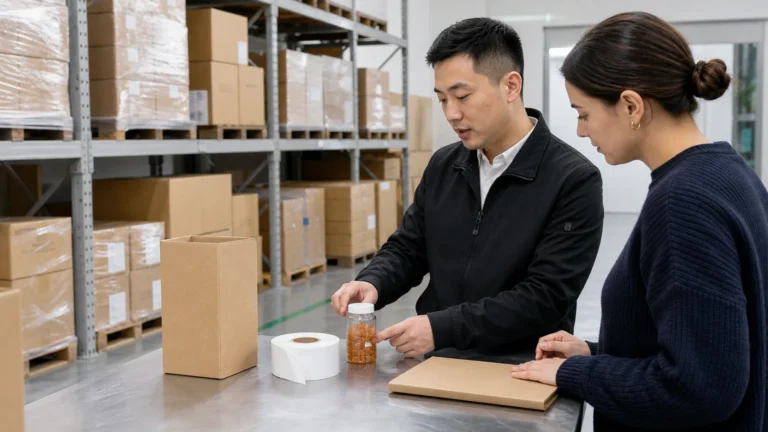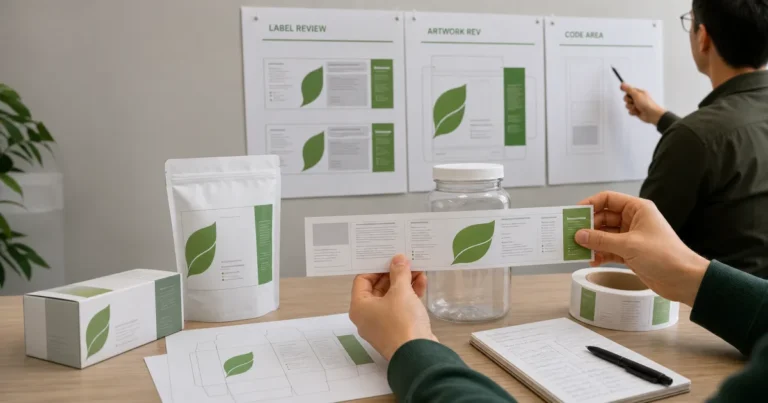


Most brands ask the wrong first question. They ask, "What is your MOQ?" The better question is, "What exactly is included at that MOQ?"
Low MOQ private label gummy supplements can help a functional gummy brand test demand with lower first-order exposure. The route works best when formula scope, sample quality, label fit, packaging limits, documentation, unit cost, and reorder planning are confirmed before the first PO.
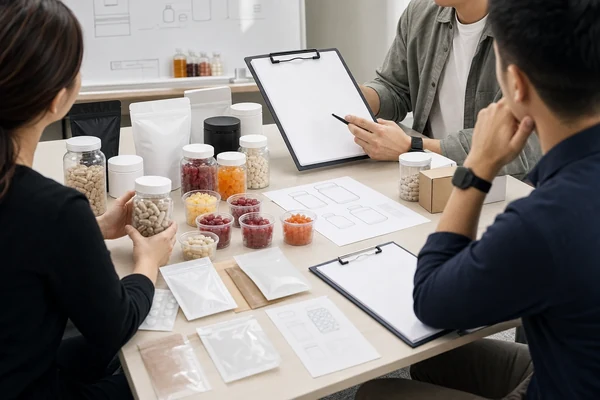
I view low MOQ as a launch-control tool, not a simple purchasing advantage. A smaller first order only protects the brand when the product can still support the intended function, label, channel, and scale-up path.
Key takeaways:
- Low MOQ reduces first-order inventory exposure, but it does not remove formula, label, quality, or reorder risk.
- Stock gummy formulas usually support the lowest entry point, while semi-custom and full custom routes give more control.
- The MOQ should be defined by SKU, flavor, bottle count, formula route, packaging, documents, and reorder terms.
- A sample should be used as a quality gate, not only a taste check.
- Talvenda can support functional gummy brands with formula route review, sample planning, packaging coordination, document planning, and scale-up discussion.
What Are Low MOQ Private Label Gummy Supplements?
Low MOQ sounds simple until the brand asks what the small order actually includes.
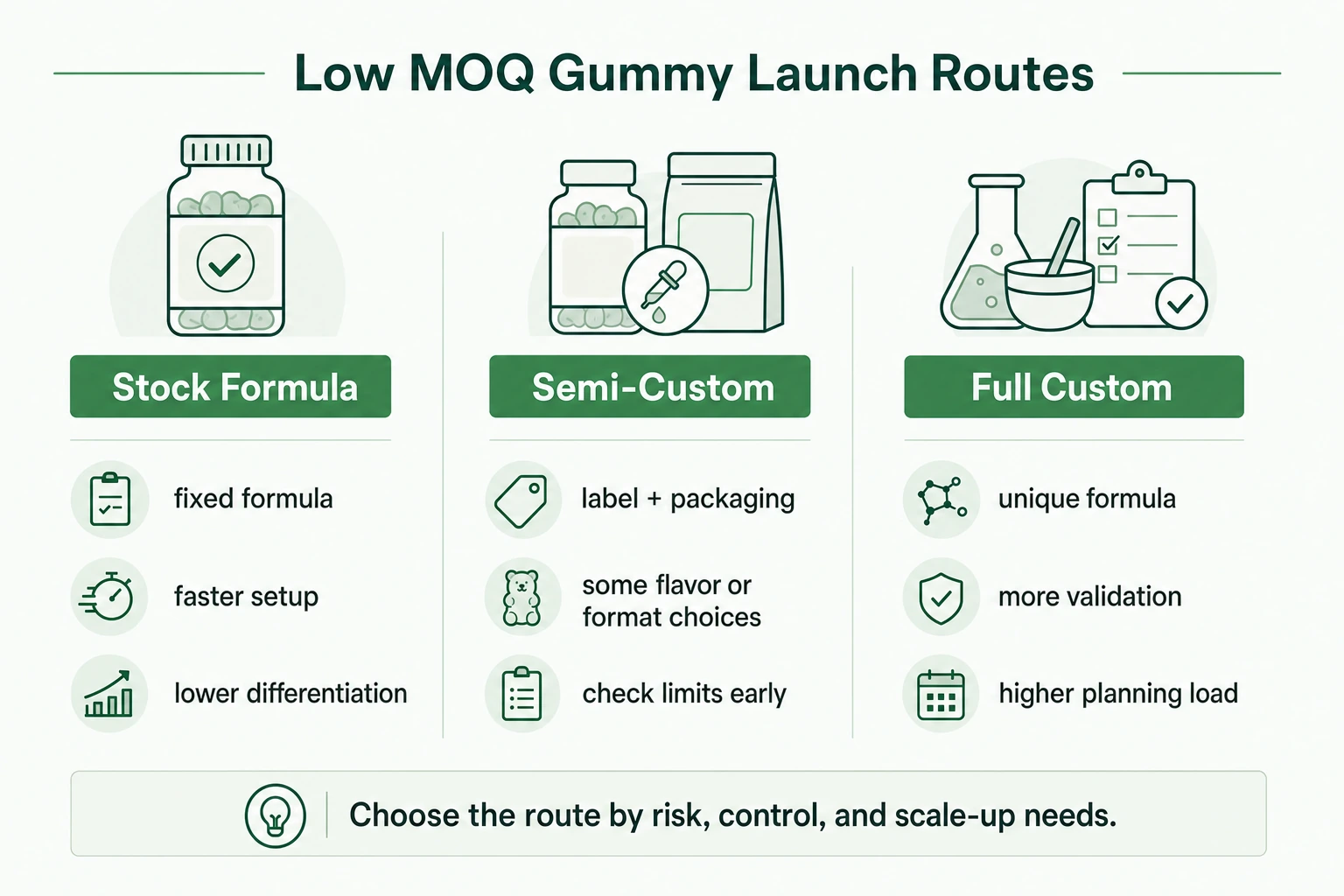
Low MOQ private label gummy supplements are gummy products made under a brand's label with a smaller first-order commitment. In practice, the route usually depends on stock formulas, limited semi-custom changes, or a pilot-style custom project.
What Low MOQ Means for Functional Gummy Brands
MOQ means minimum order quantity, but for gummy supplements it is more than a number. It reflects batch planning, ingredient availability, packaging setup, label work, quality review, document handling, and production scheduling.
For a functional gummy brand, the real question is route. A stock formula may allow the smallest first order because the product direction already exists. A semi-custom route may allow limited changes, such as flavor direction, color, packaging, or other controlled adjustments. A full custom route gives more formula control, but it usually needs more sampling, development, testing, and scale-up planning.
| Route | What is usually fixed | What may be flexible | Main tradeoff |
|---|---|---|---|
| Stock formula | Active system, base formula, process direction | Label, packaging choices, sometimes flavor or count size | Lowest entry point, least formula control |
| Semi-custom | Base formula and process limits | Some sensory, ingredient, packaging, or positioning changes | More brand fit, more time and cost |
| Full custom | Nothing should be assumed fixed until developed | Formula, format, flavor, active profile, ownership terms | More control, higher complexity |
This is why I would not judge a supplier by one headline MOQ. A useful answer should state whether the minimum applies to bottles, gummies, SKU, flavor, formula, packaging components, or finished units. It should also clarify whether samples, label review, analysis documents, batch records, packaging materials, and reorder terms are included.
When a Low-MOQ First Order Makes Sense
A low-MOQ first order makes sense when the brand is testing demand: a new DTC launch, Amazon test, distributor sample run, retail pitch, or first SKU in a functional gummy line.
The best fit is a brand that can accept a proven product direction while it validates taste, texture, positioning, price, channel response, and reorder confidence. A sleep, beauty, sports, digestive, or daily wellness gummy may work well when the available formula is close enough to the brand's promise.
Low MOQ also helps when the biggest risk is inventory exposure. A startup may not want to hold a large custom batch before it sees real buyer response. A smaller first order can protect cash and create evidence for the second order.
When Low MOQ Is Not the Right Shortcut
Low MOQ is not the right shortcut when the product promise depends on a formula that the low-MOQ route cannot support. Gummies are sensitive to active load, taste masking, sweetness, gelling system, moisture, texture, serving size, and label claims.
If the brand needs a specific active dose, sugar-free positioning, vegan base, custom flavor, unique shape, sensitive botanical blend, or stronger formula ownership, the team should not choose only by MOQ. The route must support the commercial promise.
If the route fits, low MOQ can be useful. If not, the safer path may be a deeper stock-formula review, semi-custom development, or full custom formulation discussion. For a broader route comparison, Talvenda's stock formula vs custom formulation guide can support that decision.
Why Small Brands Use Low MOQ Private Label Gummy Supplements for Market Testing
The first order should teach the brand something useful, not only place product in storage.
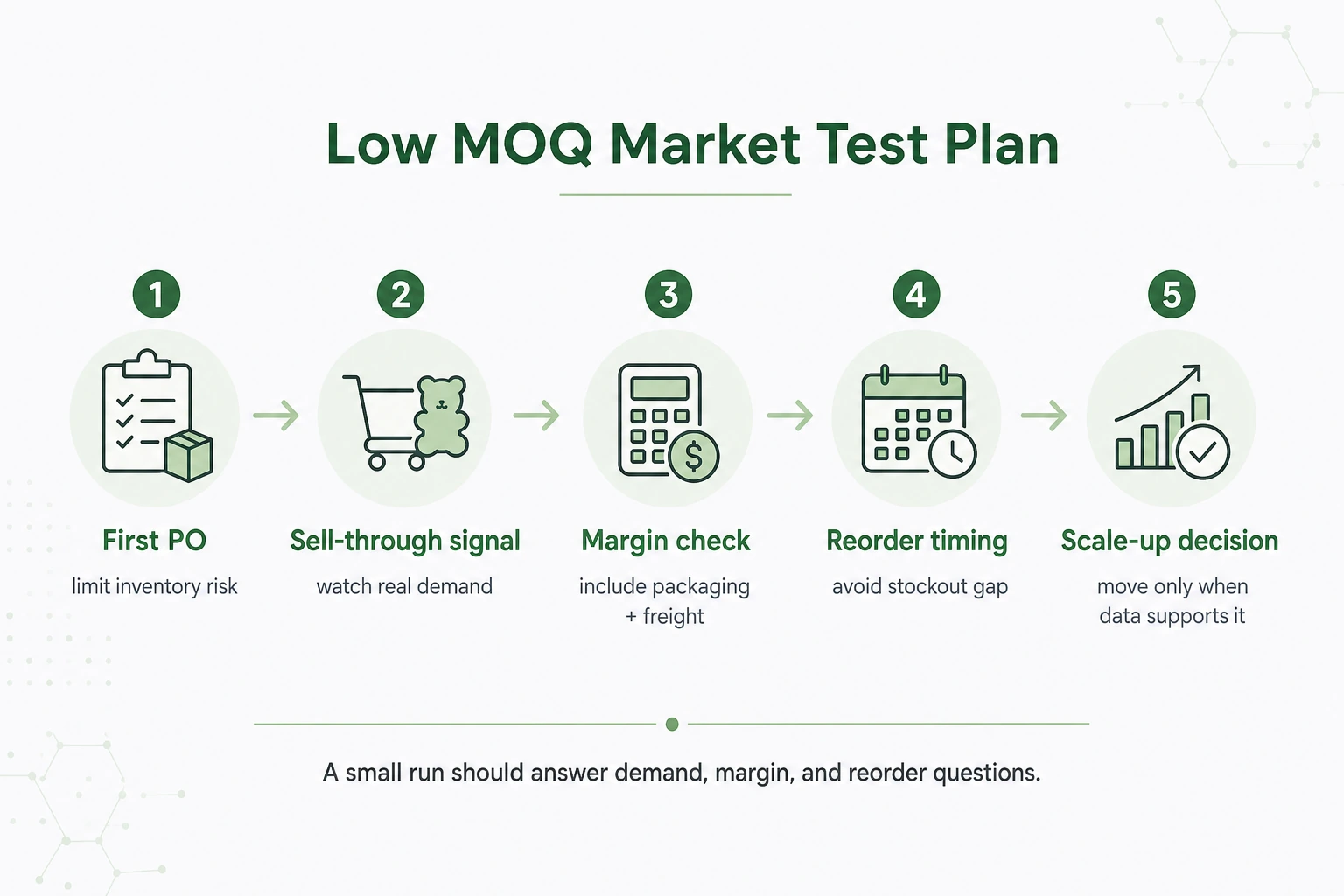
Small brands use low MOQ gummies to reduce first-order exposure, test product-market fit, and learn whether the formula, label, price, and channel can support a reorder. The first order should be a controlled market test.
Reducing First-Order Inventory Risk
Inventory risk is one of the main reasons brands look for low MOQ private label gummy supplements. A large first order can tie up cash before the product has proven demand. It can also create storage pressure, expiration-date pressure, and uncertainty across sales channels.
A smaller first order gives the brand room to learn. It can test whether customers understand the function, whether the flavor is acceptable, whether the bottle count fits the price point, and whether the label message works in the chosen channel.
However, smaller inventory does not automatically mean a safer launch. A low-MOQ order with weak documentation, poor label fit, unstable packaging, or no reorder path can still create expensive problems. I would define the test objective first, then choose a first-order size that supports that test.
Testing Product-Market Fit Before Custom R&D
Custom gummy formulation can be the right path when a brand has a differentiated concept. It is not automatically the right first step. Some brands need real market evidence before spending time and budget on full R&D.
A low-MOQ private label route can answer practical questions first. Does the audience respond to this function lane? Does the flavor direction work? Does the packaging communicate the use case? Does the price leave room after fulfillment, advertising, platform fees, distributor margin, or retail margin?
That evidence can sharpen a later custom brief. If the product sells but customers want a different flavor, cleaner label, stronger active direction, vegan base, or sugar-free version, the brand can use first-order feedback to make the next development step more specific.
Understanding Unit Cost, Margin, and Reorder Risk
Low MOQ often has a higher unit cost than a larger production run. That is normal. Small orders still require setup, handling, packaging work, quality checks, document work, and shipment preparation.
| First-order question | Why it matters |
|---|---|
| What is the unit cost at the low MOQ? | Shows whether the market test can support realistic pricing |
| What changes at reorder quantity? | Shows whether margin can improve after validation |
| Are packaging costs separate? | Prevents bottle, pouch, carton, label, and artwork surprises |
| Are testing and documents included? | Clarifies what proof support the order actually has |
| What is the reorder lead time? | Protects sales momentum after the first batch |
The brand should not compare only total cash outlay. It should model margin at the actual first-order price and then ask what improves after a validated reorder. If the first order solves inventory risk but leaves weak margin, unclear documents, or no path to scale, it is not a strong low-MOQ strategy.
Which Functional Gummy Products Fit a Low-MOQ Private Label Route?
Not every functional gummy category is equally suitable for a fast first order.
Low-MOQ private label gummy routes work best for familiar functional lanes where an existing stock or semi-custom formula can support the brand promise. Complex actives, sensitive claims, high active loads, or special dietary requirements need deeper review.
Sleep, Beauty, Sports, Digestive, and Daily Wellness Gummies
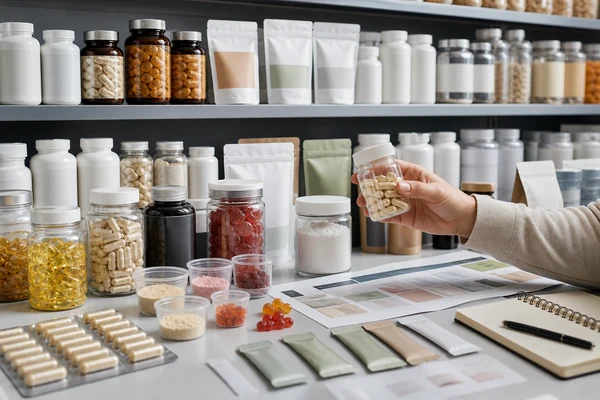
Low MOQ private label gummy supplements often fit familiar functional lanes. Sleep support, beauty-from-within, sports nutrition, digestive wellness, daily wellness, and vitamin-style gummies are easier to evaluate when stock or semi-custom options already exist.
These categories can work for first launches because the use case is easy to understand. A sleep gummy fits an evening routine. A beauty gummy fits hair, skin, and nail positioning. A sports gummy may help a brand test whether its audience wants a convenient format beyond powder or capsules. Digestive and daily wellness gummies can support repeat-use positioning.
The category still needs review. A familiar lane does not confirm product fit by itself. The active form, serving size, flavor, sweetness, texture, label wording, packaging format, and channel requirements must work together.
Stock Formula vs Semi-Custom Gummy Options
Stock formulas usually provide the simplest low-MOQ route. The product direction exists, so the brand can focus on sample review, label direction, packaging, and launch planning.
Semi-custom routes give more brand control. The brand may adjust flavor, color, surface finish, packaging, count size, or positioning details. The risk is that small changes can affect production behavior. A new flavor may change taste masking. A different sweetener may change texture. A custom shape may affect drying, demolding, coating, or bottle fit.
| Route decision | Good fit | Watch carefully |
|---|---|---|
| Stock formula | Fast market test, low first-order exposure, simple label direction | Limited formula ownership and differentiation |
| Semi-custom | Brand needs more sensory or positioning fit without full R&D | Change limits, added fees, sample rounds |
| Full custom | Brand needs specific active profile, claims, format, or ownership | Higher development burden and longer planning |
I like semi-custom work when the changes matter commercially without rebuilding the formula from zero. The brand and production team should separate easy cosmetic changes from changes that move the project into custom development.
Functional Claims That Need Extra Review
Functional gummies often sit close to claim-sensitive territory.[^1] A brand may want sleep, stress, beauty, energy, digestion, immunity, or performance language. The formula may support a general product position, but final claim wording still needs review for the target market.[^2]
Low MOQ should not be used to skip that review. The brand should check whether the active amount, ingredient form, serving size, and label language are aligned. If the formula cannot support the claim direction, the product may launch quickly but create problems later.
For high-active-load products, sugar-free gummies, vegan gummies, botanical blends, and products aimed at sensitive audiences, the development route should be reviewed before the brand commits to a low-MOQ order.
Stock Formula vs Custom Formulation for Low MOQ Gummies
The biggest low-MOQ misunderstanding is viewing stock and custom as the same buying decision.
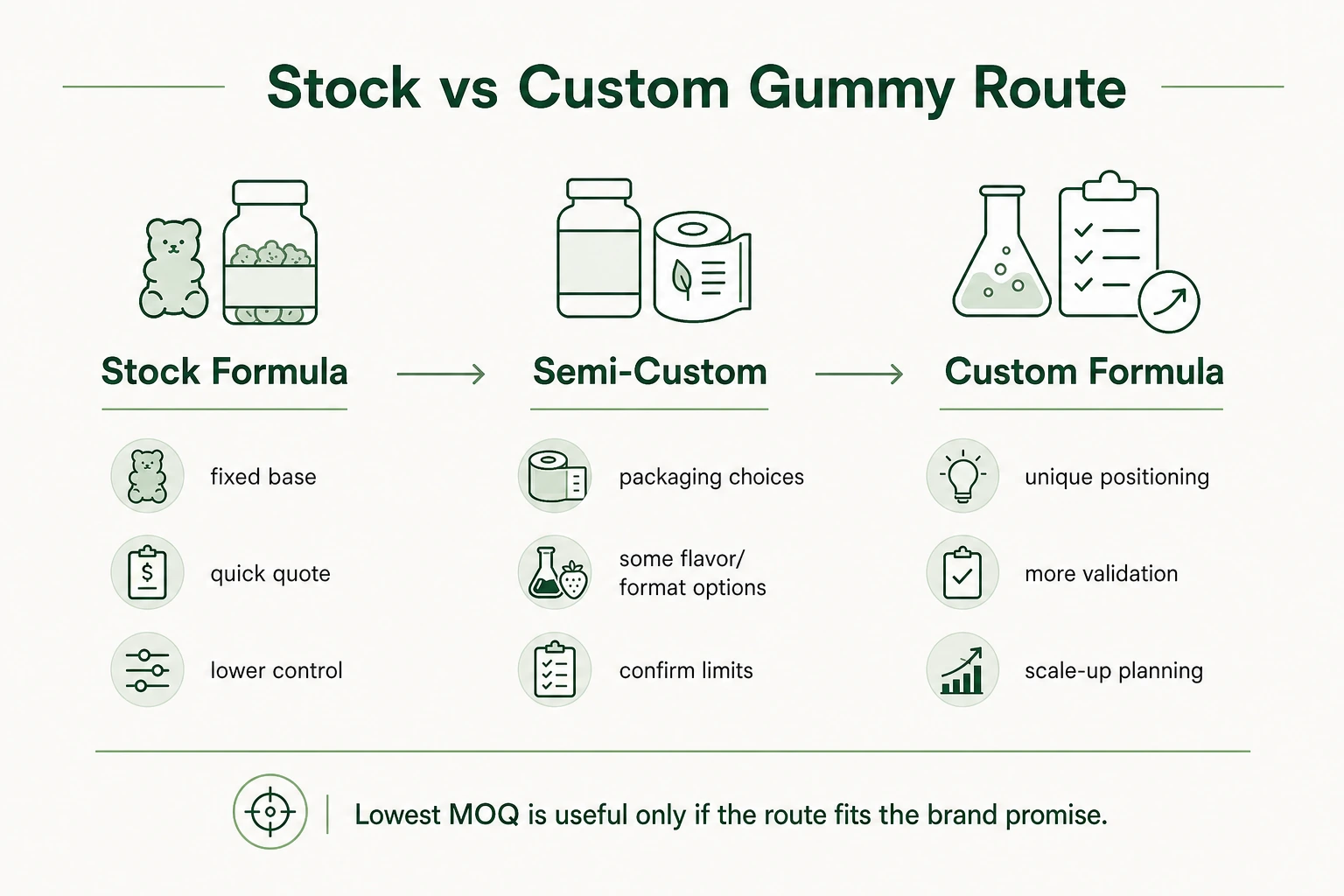
Stock gummy formulas usually support lower MOQs because the formula route already exists. Custom formulation gives more control, but it requires more sample rounds, ingredient planning, testing, documentation, and scale-up work before commercial production.
Why Stock Formulas Usually Support Lower MOQs
Stock formulas can support lower MOQs because the core formula, process direction, and product format are already defined. The production team does not need to build every part of the product from zero.
That does not mean the brand can skip review. A stock formula still needs sample approval, label check, packaging confirmation, document review, and channel fit. The brand also needs to know what can be changed. Some stock routes allow label and packaging work only. Others may allow limited changes to flavor, color, surface finish, or count size.
For low-MOQ planning, the important point is scope. If the brand understands what is fixed and what is flexible, a stock route can be a practical launch path.
What Changes Can Move a Project Into Custom Development
Several changes can move a project away from a low-MOQ stock route. These include a new active blend, higher dose target, sugar-free system, vegan base, custom flavor, new mold, special coating, different count size, or stronger exclusivity requirement.
Each change should be evaluated for production impact. Gummies are not dry blends. Active ingredients can affect taste, moisture, texture, pH, color, setting behavior, and shelf stability. Packaging also matters because gummies can be sensitive to heat, humidity, sticking, and surface change.
The practical question is not whether customization sounds attractive. It is whether the change improves the product enough to justify added cost, time, MOQ, and risk.
Formula Ownership, Differentiation, and Scale-Up Tradeoffs
Low MOQ stock routes usually give less formula ownership. That may be acceptable for market testing. It may not be enough for a brand that wants a defensible product platform.
If the brand plans to build long-term differentiation around active blend, taste profile, claim direction, vegan positioning, sugar-free positioning, or proprietary product architecture, custom formulation may be more suitable. But the brand should be ready for a longer development path.
I would separate the launch question from the long-term product question. The launch question is whether the first SKU can test demand. The long-term question is whether the formula can become a scalable product line. A good first-order plan should leave room for both.
Samples, First PO, and Reorder Planning
A sample is not a decoration before the real order. It is the first quality decision.
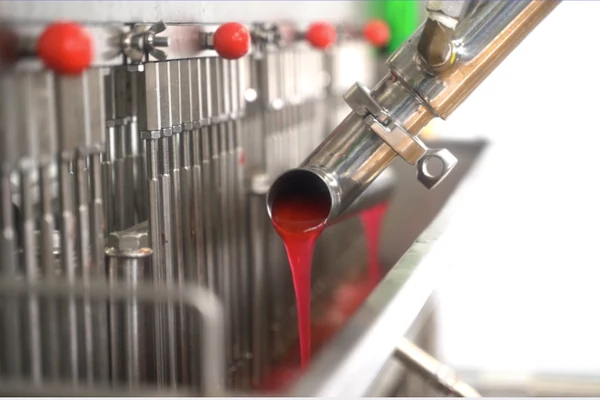
Before approving a low-MOQ gummy order, the brand should use samples to check taste, texture, serving logic, label fit, packaging direction, active expectations, documentation, and product promise. The first PO should also define what happens if the product sells and needs a reorder.
What to Check Before Approving Samples
Sample approval should cover more than taste. Taste matters, but functional gummies also need texture, serving size, smell, color, surface finish, stickiness, and packaging fit.
| Sample check | What the brand should confirm |
|---|---|
| Taste and texture | The sample supports the intended user experience |
| Serving logic | The gummy count and active direction fit the label plan |
| Surface finish | Gummies are not unusually sticky, wet, brittle, or inconsistent |
| Packaging fit | The gummy size and count work with the planned bottle or pouch |
| Document trail | The supplier can explain what sample route and documents are available |
The brand should ask whether the sample represents the commercial production route. If the final order uses a different bottle, label, count size, coating, or packaging condition, the sample may not show every commercial detail. For gummies, packaging and storage are part of the product experience.
What to Confirm Before the First Purchase Order
Before the first PO, the brand should confirm the exact order scope. This includes SKU, quantity, formula route, bottle or pouch format, count size, label artwork status, packaging materials, sample approval, document requirements, payment terms, production timing, shipment plan, and reorder assumptions.
The first PO should also clarify what is excluded. Does the low MOQ include custom flavor? Does it include label review? Does it include finished-product testing? Are analysis documents and batch records available? Are packaging minimums separate? Is stock reserved only after payment?
A useful answer should separate stock formula, semi-custom, and full custom development. The first serious question is not only "What is your MOQ?" It is "What exactly is included in this MOQ?"
How to Plan Reorders Without Losing Momentum
A successful first order creates a new risk: running out of stock before the reorder arrives. Low MOQ helps start the launch, but reorder timing determines whether the brand can keep momentum.
The brand should ask for reorder lead time, minimum reorder quantity, packaging availability, formula change limits, and document continuity. If the first order uses special packaging or a limited stock formula, the brand should know whether those materials and product conditions will still be available later.
Reorder planning is where low MOQ becomes a business decision. If the first order sells, the brand may want better unit cost, more packaging control, or a custom formula direction. The first-order route should not trap the brand in a dead end.
Packaging, Label, and Branding Checks Before Production
Packaging turns a low-MOQ product into a real SKU, but it can also create delays.
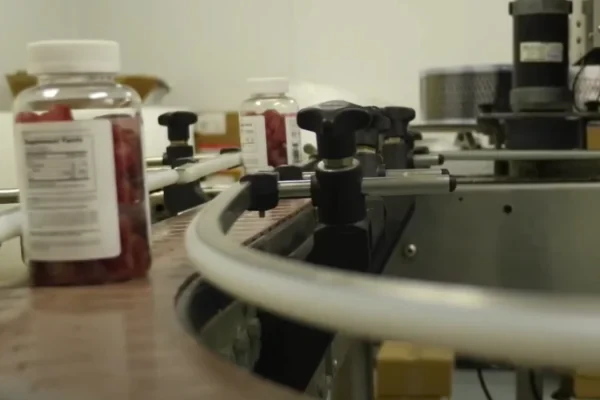
For low MOQ private label gummy supplements, label artwork, Supplement Facts, claim wording, bottle or pouch format, count size, and packaging MOQ should be confirmed before production. Low MOQ often limits custom packaging choices, so the brand should know the boundary early.
Label Artwork, Supplement Facts, and Claim Review
The label should match the formula route. The Supplement Facts panel, serving size, ingredient list, flavor, count size, warnings, and claim wording need to align with the actual product.[^3]
For functional gummies, claim review is especially important. Sleep, beauty, sports, digestive, and wellness positioning can move into sensitive wording quickly. The brand should keep claims practical and review final label language against the target market.
Label artwork also needs production readiness. The file should fit the bottle or pouch. Barcode, lot code, expiration-date area, brand logo, net quantity, and required statements should be placed correctly. A low-MOQ launch can still be delayed by an unfinished label.
Bottle, Pouch, Count Size, and Packaging MOQ
Packaging has its own minimums and constraints. A brand may ask for a low product MOQ but then choose a packaging format that has a separate minimum, longer lead time, or higher setup cost.
Common checks include bottle size, cap type, label size, pouch structure, desiccant need, carton size, case pack, shipping protection, and retail or ecommerce requirements. Gummies can be sensitive to moisture, heat, and sticking, so packaging should be chosen for product stability as well as appearance.[^4]
If the brand plans to sell through Amazon, DTC, distributors, or retail, packaging choices should support that channel from the beginning. The low-MOQ order should not create a product that is difficult to ship, label, or restock.
How Low MOQ Limits Custom Packaging Choices
Low MOQ often works best with standard packaging. That may include fixed bottle sizes, fixed count options, available caps, standard labels, and limited carton choices.
| Packaging decision | Usually easier at low MOQ | Often needs higher commitment |
|---|---|---|
| Standard bottle or pouch | Yes | No |
| Standard label size | Yes | No |
| Custom bottle shape or color | No | Often |
| Custom carton or display box | Sometimes | Often |
| Special closure, mold, or premium component | Rarely | Often |
The brand should decide which packaging details matter most. If the first order is mainly a market test, standard packaging may be acceptable. If packaging is central to the brand story, the team may need a higher MOQ or a longer custom route.
Quality, Testing, and Documentation for Low MOQ Gummy Orders
Small orders still need real quality logic.
A low-MOQ gummy order should still have clear quality expectations: sample approval, batch documents, analysis documents where available, finished-product testing plan, packaging checks, and target-market compliance review. Lower quantity should not mean weaker control.
Analysis Documents, Batch Records, and Finished-Product Testing
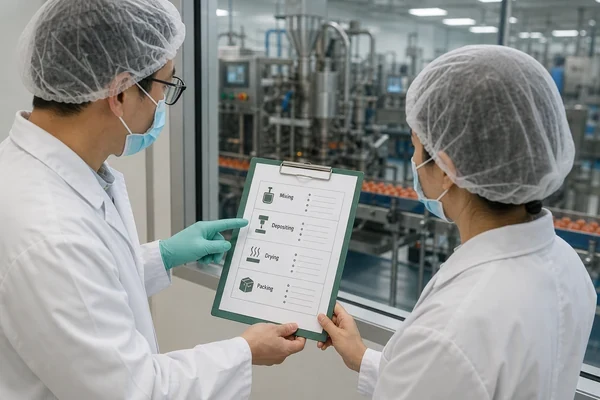
Analysis documents, batch records, product specification, and finished-product testing plan help the brand understand what was produced and what can be checked.[^5] The exact document set depends on the route, product, market, and order scope, but the brand should discuss it before production.
For gummies, testing and documentation are connected to formula risk. Active amount, moisture behavior, microbial quality, heavy metals, and physical attributes may matter depending on ingredient type and target market.
The practical step is to list required documents before the PO. If the brand needs documents for retailer review, customs, marketplace onboarding, or internal QA, those needs should be known early.
GMP/cGMP and Supplier Qualification Questions
Quality systems matter even when the order is small. The brand should understand the production partner's quality process, batch traceability, release review, document handling, and complaint or nonconformance process.
The real question is how quality controls connect to this gummy product. Does the production route control dosage accuracy? Does the packaging protect the texture? Does the label match the formula? Are batch records and release documents available for the SKU?
For Talvenda's role, the practical support is helping brands think through formula feasibility, sample planning, packaging coordination, document needs, and scale-up requirements early. A broader manufacturing capability discussion can also start from Talvenda's verified low-MOQ gummy vitamin manufacturing page.
Stability, Shelf Life, and Target-Market Compliance
Gummies can change during storage. Texture, stickiness, moisture, flavor, surface finish, and color may shift if the formula or packaging is not suitable.
Shelf-life and stability expectations should be discussed early. The brand should know whether the product needs specific storage instructions, packaging support, or additional review before wider scale-up.
Target-market compliance also matters. A label that is acceptable in one market may not be acceptable in another. The brand should review final claims, ingredient declarations, warning language, and supplement-format requirements with qualified compliance support for the sales market.
Questions to Ask a Low MOQ Private Label Gummy Supplements Manufacturer
Good questions make a low-MOQ quote more useful.
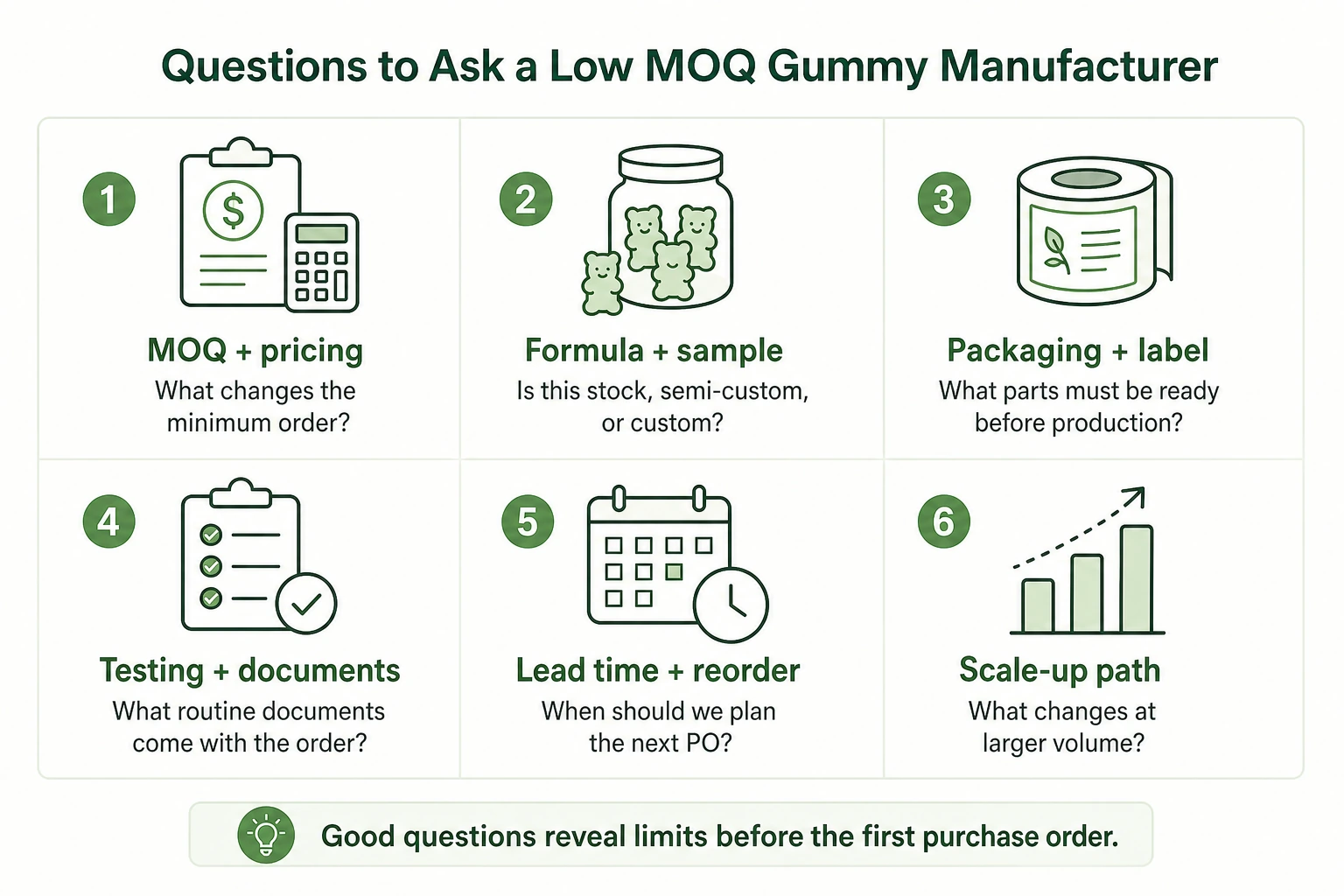
A brand should ask a low MOQ gummy manufacturer about MOQ scope, lead time, formula route, sample process, customization limits, packaging, testing, documentation, and scale-up path. The goal is not only to get a price. It is to understand the risk behind the price.
MOQ, Lead Time, and Pricing Questions
Start with scope. Ask what the MOQ applies to and what is included in the price.
| Question | What it reveals |
|---|---|
| Is the MOQ per SKU, flavor, bottle count, or formula? | Prevents misunderstanding across variants |
| Does the MOQ include packaging and labeling? | Clarifies the real launch cost |
| What changes at higher reorder quantities? | Shows whether margin can improve |
| What is the sample timeline? | Helps plan the launch calendar |
| What can delay production after PO? | Exposes artwork, material, document, or payment risks |
Lead time should be broken into sample review, artwork approval, material preparation, production, release, and shipment. A single timeline number is rarely enough.
Formula, Sample, and Customization Questions
Formula questions should separate stock, semi-custom, and custom routes. Ask what is fixed, what can change, and what changes would require a new development path.
Important questions include:
- Is this a stock formula, semi-custom formula, or custom development route?
- Can the active amount, flavor, color, sweetener system, shape, or bottle count change?
- Are samples available before PO?
- Does the sample represent the commercial production route?
- What formula ownership or exclusivity is available, if any?
- If the first batch sells, how can the brand move toward a more differentiated formula?
For functional gummies, these questions protect the product promise. A low-MOQ route that cannot support the intended claim, serving size, or sensory target may not be the right route.
Testing, Documentation, and Scale-Up Questions
Documentation questions should come before production, not after the batch is complete. Ask which documents can be provided, which tests are standard, which tests cost extra, and which documents depend on the target market.
Scale-up questions are just as important. If the first order sells, can the same formula, packaging, and documents support a reorder? Can the brand move from stock to semi-custom or custom later? Can the product be adjusted after market feedback?
A low-MOQ first order should create options, not a product that cannot be documented, repeated, improved, or scaled. For brands preparing a direct low-MOQ gummy inquiry, Talvenda's low MOQ private label gummy supplements service page is the natural next step.
Low MOQ Private Label Gummy FAQ
These answers are meant to help a brand ask better first-PO questions, not replace supplier-specific quoting.
For low MOQ private label gummy supplements, the useful answer is usually conditional: MOQ, timing, bulk handling, and customization depend on formula route, packaging, documents, and reorder plan.
What is a typical low MOQ for private label gummy supplements?
It depends on the formula route, product format, packaging, and customization depth. Stock gummy routes usually support lower MOQs than custom gummy formulation. Ask whether the MOQ is per SKU, per flavor, per bottle count, per formula, or per finished unit.
Can I start with stock gummies and customize later?
Yes, if the production route and commercial plan support it. Many brands use a stock or limited-customization route to test demand first, then move toward semi-custom or custom development after they understand flavor, claim, packaging, and reorder needs.
Can I order gummies in bulk without final labeling?
Sometimes, but it depends on the production and packaging plan. Bulk or unlabeled goods can create storage, traceability, relabeling, compliance, and channel-readiness issues. Confirm the document, packaging, and label plan before choosing that route.
How long does low-MOQ gummy production take?
Timing depends on sample approval, stock availability, label artwork, packaging materials, document needs, production scheduling, testing, release review, and shipment. Ask for a stage-by-stage timeline instead of one general production estimate.
Conclusion
Low MOQ private label gummy supplements work best when the first order controls inventory risk, tests demand, and leaves a realistic path to differentiation and scale.
The first run should be focused enough to test demand and flexible enough to support later differentiation. Talvenda can support that path as a private label gummy manufacturing partner, helping brands choose low-MOQ market-tested in-stock gummies, stock formula modification, or custom gummy development. The route review can connect packaging and label support, documentation and testing expectations, quality-controlled production, and scale-up support, so your first order has a clearer role in the broader launch plan. Contact Talvenda through the project inquiry form.
[^1]: "Structure/Function Claims - FDA", https://www.fda.gov/food/nutrition-food-labeling-and-critical-foods/structurefunction-claims/. Used to support cautious claim-boundary language for functional dietary supplements. Evidence role: label claim boundary; source type: official regulatory source. Supports: Functional supplement positioning should be reviewed against claim boundaries before label language is finalized. Scope note: Does not approve or reject any specific Talvenda or customer claim. [^2]: "Health Products Compliance Guidance - Federal Trade Commission", https://www.ftc.gov/business-guidance/resources/health-products-compliance-guidance/. Used to support cautious marketing-substantiation and target-market claim review language. Evidence role: advertising substantiation boundary; source type: official regulatory / enforcement guidance. Supports: Health-related marketing and positioning language should not exceed what the product and evidence can support. Scope note: Does not provide legal advice or validate any specific marketing statement. [^3]: "Dietary Supplement Labeling Guide - FDA", https://www.fda.gov/food/dietary-supplements-guidance-documents-regulatory-information/dietary-supplement-labeling-guide/. Used to support Supplement Facts and dietary supplement label-structure context. Evidence role: labeling context; source type: official regulatory source. Supports: Serving, ingredient, and label review matter when preparing a private label dietary supplement. Scope note: Does not determine the correct label or serving for a specific SKU. [^4]: "Moisture and Shelf Life in Sugar Confections", https://talcottlab.tamu.edu/wp-content/uploads/sites/108/2019/01/Moistuer-and-Sugar-in-Shelf-Life.pdf. Used to support general gummy-format moisture and packaging-stability context. Evidence role: food science / packaging context; source type: food science, packaging, or technical source. Supports: Gummy products can be affected by moisture, heat, sticking, and packaging choices. Scope note: Does not prove the shelf life or stability of a specific gummy formula. [^5]: "21 CFR Part 111 -- Current Good Manufacturing Practice in Manufacturing, Packaging, Labeling, or Holding Operations for Dietary Supplements", https://www.ecfr.gov/current/title-21/chapter-I/subchapter-B/part-111/. Used to support general dietary-supplement manufacturing documentation and quality-system context. Evidence role: manufacturing documentation context; source type: official regulatory source. Supports: Dietary supplement production should connect records, specifications, quality control, and finished-product documentation. Scope note: Does not claim a specific Talvenda batch, certification, test result, or regulatory approval.